The Judges’ College of Bulgaria’s Supreme Judicial Council will provide parliament’s legal affairs committee with information from a file containing a signal against magistrates in Plovdiv. Among the people named is Ivan Ranchev, an appellate-court judge and candidate for the council from the parliamentary quota.
The decision was announced on 5 November. The file is registered as SJC-12560 of 23 September 2026. The official notice identifies judges from the Plovdiv district and appellate courts but does not establish that the allegations amount to a proven violation.
Information for the selection process
The material is being sent to the legal affairs committee of the 52nd National Assembly. Its relevance lies in the committee’s role in examining candidates for the judicial council, rather than in any automatic consequence for the candidacy.
Forwarding a signal does not itself disqualify a candidate, determine disciplinary responsibility or constitute a criminal conviction. The published announcement does not set out findings on the substance of the allegations.
Scrutiny before the vote
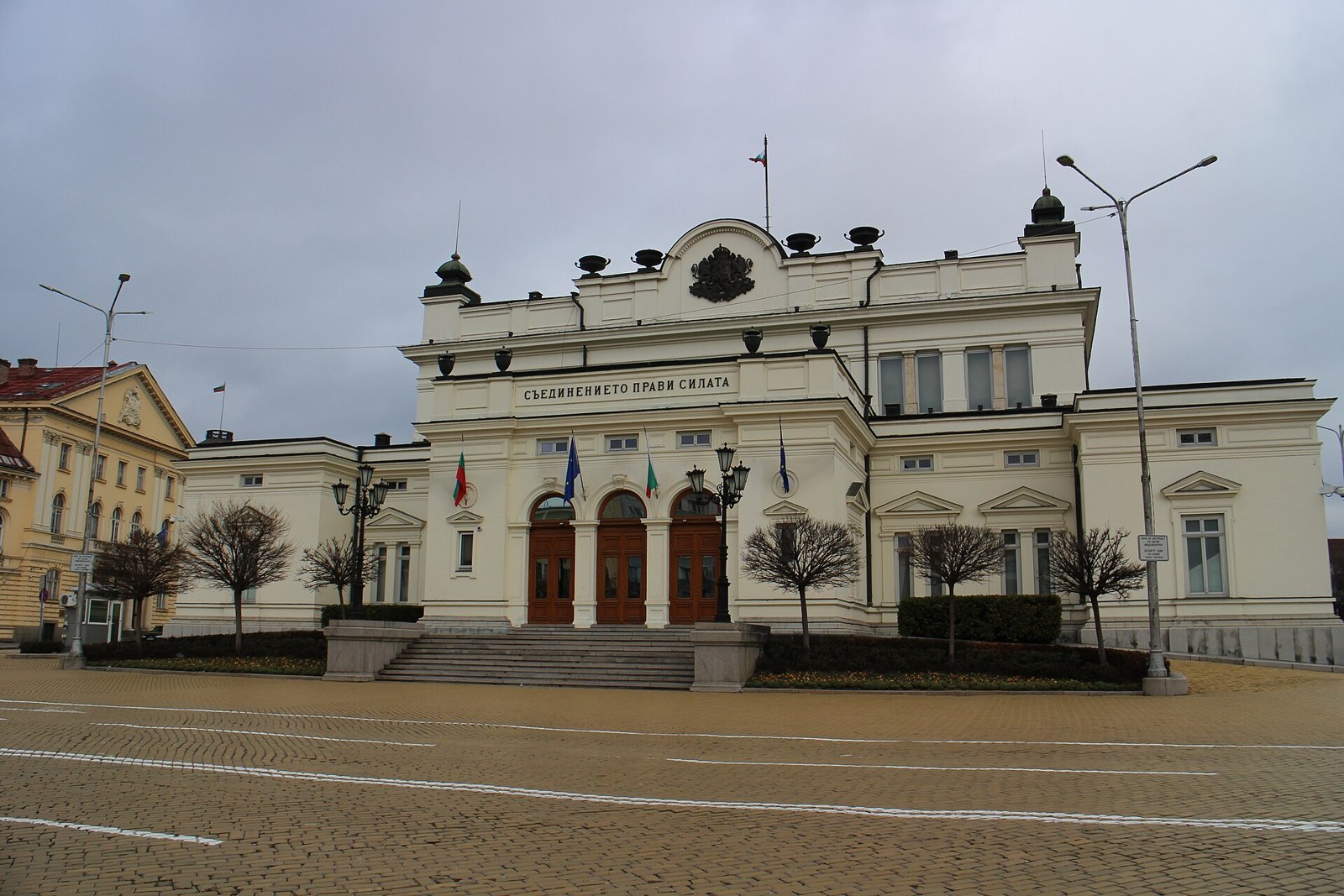
The parliamentary selection process involves candidates for both the Judges’ and Prosecutors’ Colleges. Hearings began earlier this week, with 21 nominees competing for six judicial and five prosecutorial places. The required parliamentary support makes scrutiny of the candidates part of a wider political and institutional process.
The next material development will be the committee’s handling of the information and any published response or findings. Until then, the confirmed fact is the decision to transmit the file. The content of a complaint and an established breach must remain distinct.