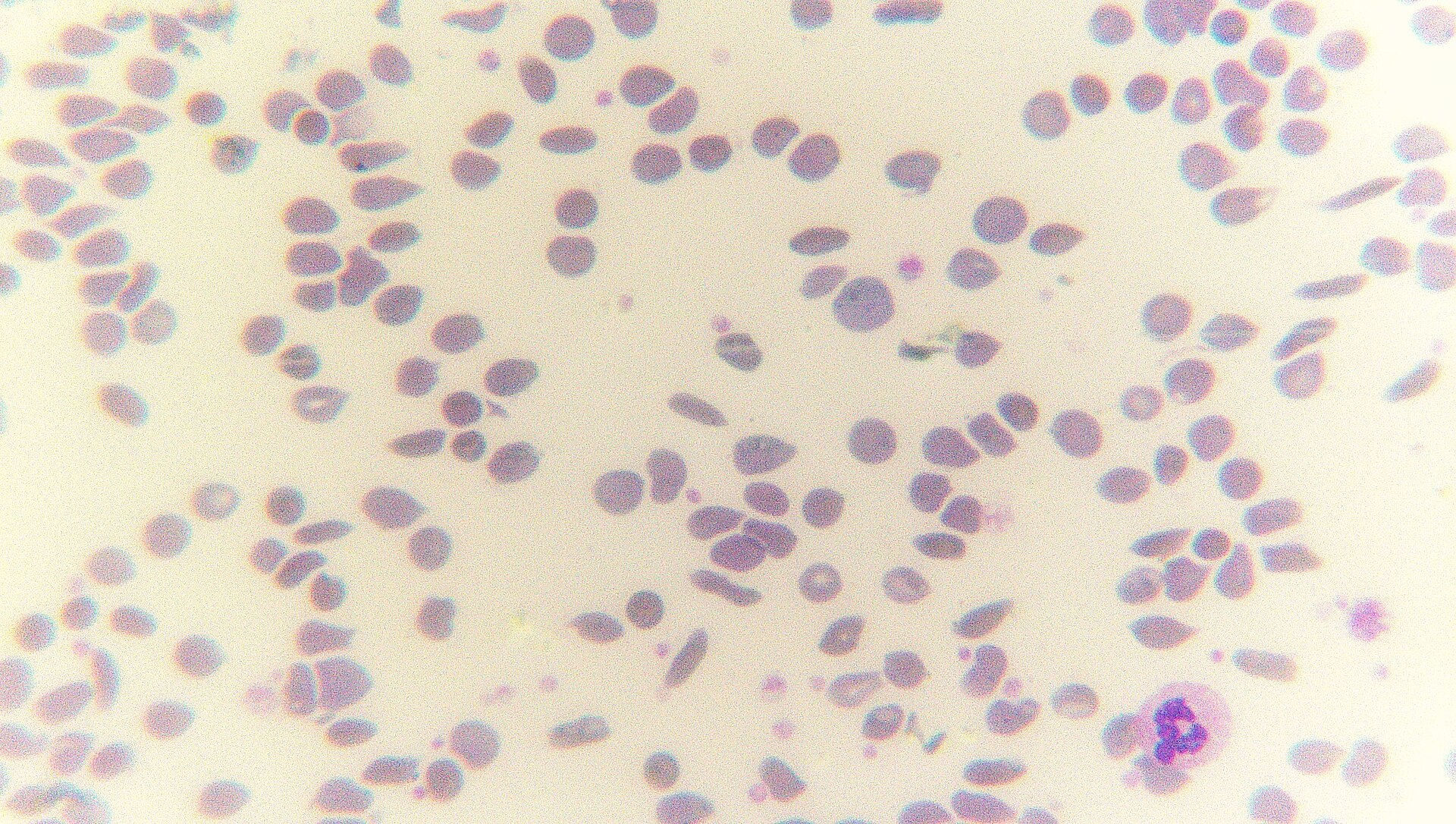
An experimental treatment for sickle cell disease has moved from laboratory development to manufacturing for an early patient trial. The approach aims to repair the mutation responsible for the disease in a patient’s own blood-forming stem cells.
UCLA Health described the work on 3 November. Researchers use CRISPR-Cas9 and a non-viral DNA repair template to correct the beta-globin gene directly. This is different from approaches that add a modified gene or increase fetal haemoglobin.
From laboratory cells to clinical batches
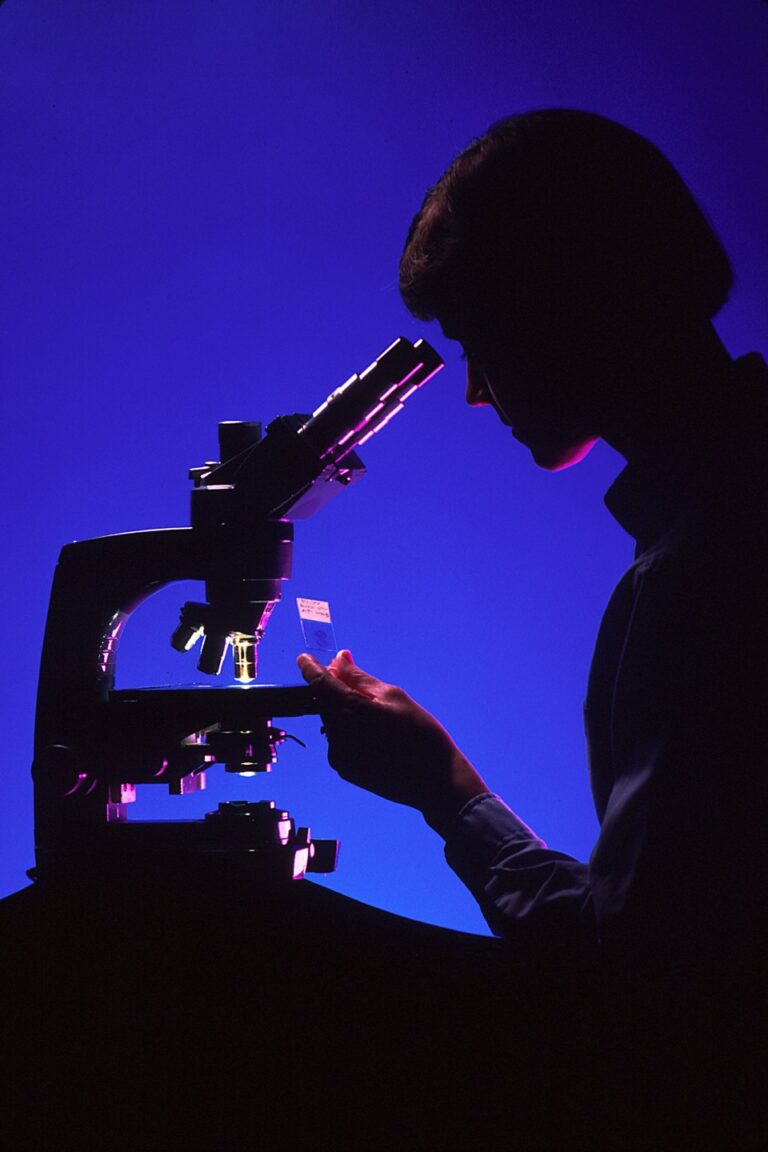
The team scaled production from laboratory quantities to hundreds of millions of cells. Seven manufacturing runs, including four at full clinical scale, met the reported quality thresholds. Cells have been manufactured for two participants in an ongoing phase 1 trial led at UCSF Benioff Children’s Hospital Oakland.
In preclinical work, red blood cells derived from the edited cells produced less sickle haemoglobin. Human cells also engrafted in mice, with corrected gene copies stable over 16 weeks. These results support further testing, but they are not patient outcomes.
The question is safety and benefit
Phase 1 research examines an intervention at an early clinical stage. Manufacturing cells that meet quality standards is a necessary step, not proof that a therapy is safe or effective over the long term. The UCLA release does not establish a cure in treated participants.
The broader challenge is to connect three separate achievements: editing the intended DNA sequence, producing a reliable clinical product and demonstrating a lasting benefit for people. Success at the first two does not settle the third. This report concerns research announced earlier in the week, rather than a new regulatory approval on 5 November. It does not change an individual patient’s treatment options without clinical assessment.