Yellow fever transmission continues in parts of Africa, with recent outbreak activity concentrated in West Africa. A WHO bulletin published on 6 November reports 67 confirmed cases, including 18 deaths, across nine countries between 1 January and 12 October 2026.
The publication date and the data period are different. The figures are not a count of infections recorded today, and country reporting cut-offs vary. They describe the confirmed cases available to the organisation at the stated point in time.
Regional risk, not a global emergency declaration
WHO assessed the regional public-health risk as moderate on 27 October, while the global risk remained low. Recent activity was concentrated in Burkina Faso, Côte d’Ivoire, Ghana and Liberia, including areas close to international borders.
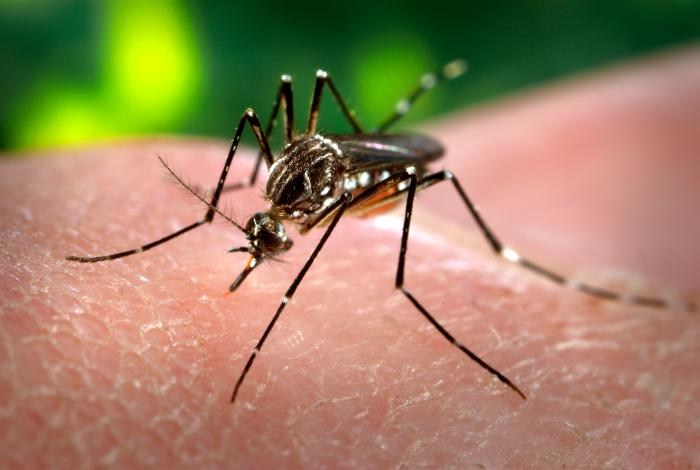
Yellow fever is transmitted by infected mosquitoes. Population movement and uneven vaccination coverage can complicate control, especially where diagnosis and laboratory confirmation are difficult to access. Detecting a case is therefore only one part of the response; tracing where transmission occurred also matters.
Vaccination and surveillance remain central
Response measures include surveillance, testing, community communication and vaccination in affected or at-risk areas. The bulletin does not recommend general restrictions on travel or trade with the countries concerned.
Travellers need advice matched to their destination and personal medical circumstances, including vaccination requirements where applicable. The report is an outbreak update, not evidence that all places within the nine countries have the same risk or that every traveller faces the same exposure.