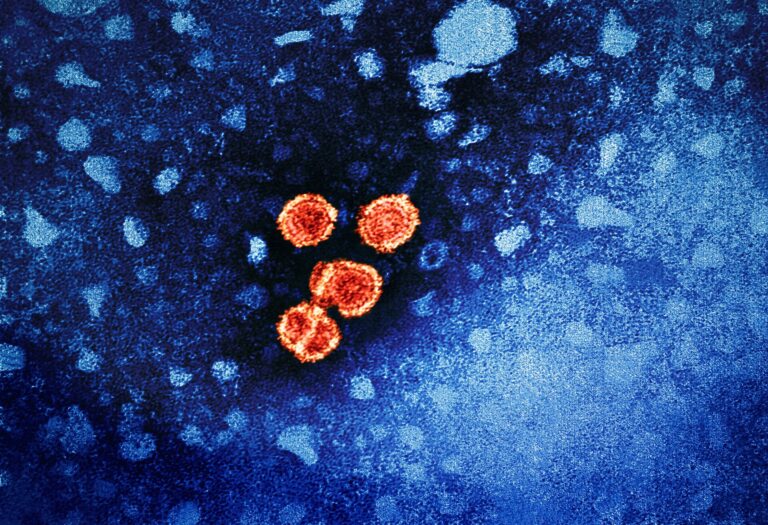
Two Ebola vaccine candidates have been recommended for inclusion in the Tumaini clinical trial in the Democratic Republic of the Congo. The research targets Bundibugyo virus, responsible for the current outbreak, and could expand the tools being tested during the response.
The candidates are Oxford and the Serum Institute of India’s ChAdOx1 and Moderna’s mRNA-1469. Their addition still requires national approvals. A recommendation to enter a trial is not regulatory approval for routine use, and it does not establish that either vaccine is effective.
A trial designed around exposure
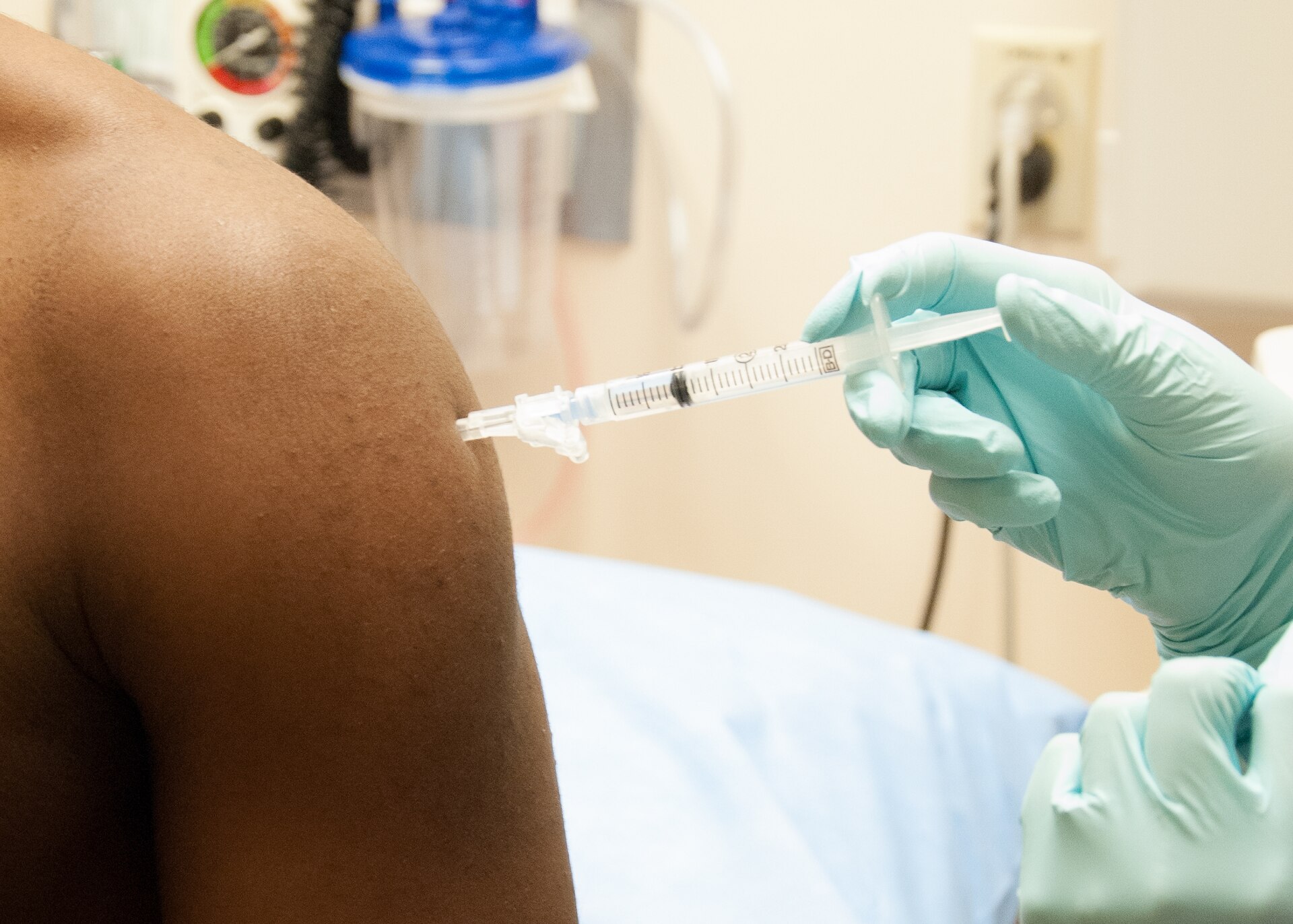
Tumaini uses a ring-vaccination approach involving contacts of confirmed cases. This concentrates research around people with a known connection to the outbreak, while allowing investigators to assess whether vaccination prevents disease.
The distinction between Ebola viruses matters. Evidence for a vaccine against one species cannot simply be assumed to demonstrate protection against another. That is why testing candidates specifically against Bundibugyo is a substantive development rather than a change of label.
Prevention and treatment are separate questions
Treatment research is continuing alongside the vaccine programme. Preventing infection and improving survival after illness require different evidence, even when both efforts form part of the same outbreak response.
Initial vaccine results are expected in early 2027. Until then, the important development is the move towards a broader clinical evaluation, not a demonstrated breakthrough in protection. Results will need to show what benefit is achieved, in which participants and with what safety profile. The announcement offers a research pathway; it does not replace the immediate work of identifying cases, supporting patients and interrupting transmission.