International Lead Poisoning Prevention Week starts today, 18 October, and runs until 24 October. WHO’s 2026 campaign focuses on finding sources of exposure and acting to prevent further harm. It is an awareness initiative, not an announcement of a newly discovered disease or a new local outbreak. [1]
Why this is more than a paint issue
WHO describes lead as a toxic metal that can accumulate in the body. Exposure can come from contaminated dust, soil or water, as well as manufacturing and recycling activities and some products. Children are especially vulnerable, including to effects on brain development. A source may be outside the home or brought into it; a photograph of old paint cannot establish whether lead is present. [2]
Detection and prevention do different jobs
CDC distinguishes removing environmental hazards before exposure from testing and follow-up after exposure may have occurred. Many children with lead in their blood have no obvious symptoms; a blood test is used to assess exposure. Concern about a possible source should be discussed with a qualified healthcare professional or local public-health service, which can determine appropriate testing and follow-up. [3]
Why responsibility extends beyond families
UNICEF’s 2023 action document addresses governments, businesses and civil society separately. Its central framing is that childhood exposure carries lasting health and social costs across countries at different income levels. This is useful context for the campaign: a parent cannot, alone, regulate manufacturing, establish product standards or organise safe industrial recycling. Those are institutional responsibilities as well as household concerns. [4]
What the campaign can change
WHO links this year’s awareness activities to technical guidance and action on lead paint. Identifying a problem and preventing another exposure are connected but distinct steps. Nove’s interpretation is that the most useful follow-through will be measurable local action—clearer responsibility for suspected sources, access to assessment and enforcement—rather than awareness messages alone. The campaign itself does not prove those outcomes have been achieved. [5]
What comes next
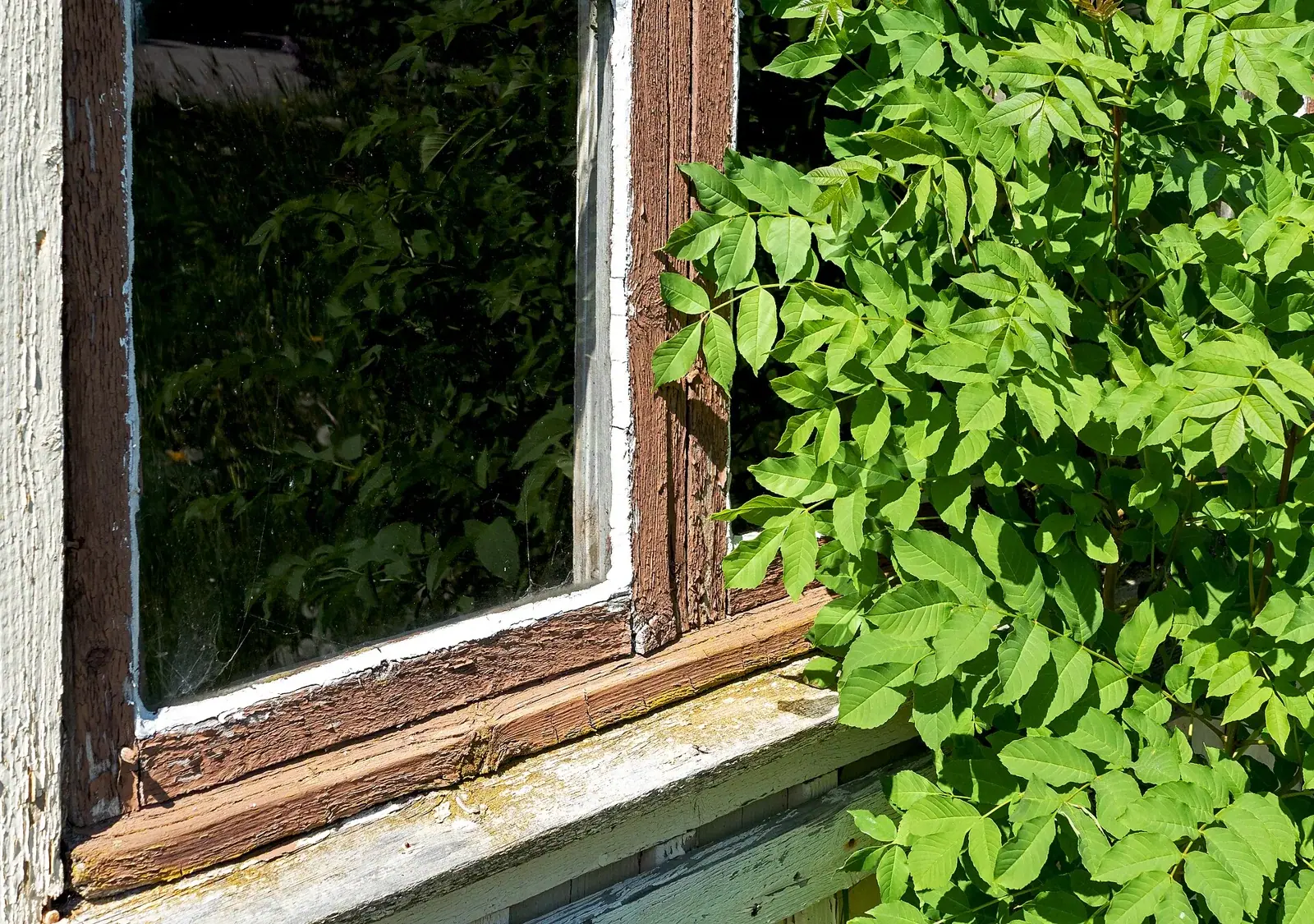
Watch for concrete commitments from health authorities and regulators during the week. This is public-health reporting, not an individual diagnosis or treatment plan. The illustrative archive photograph shows peeling paint in Sweden; neither its appearance nor its age confirms that it contains lead.