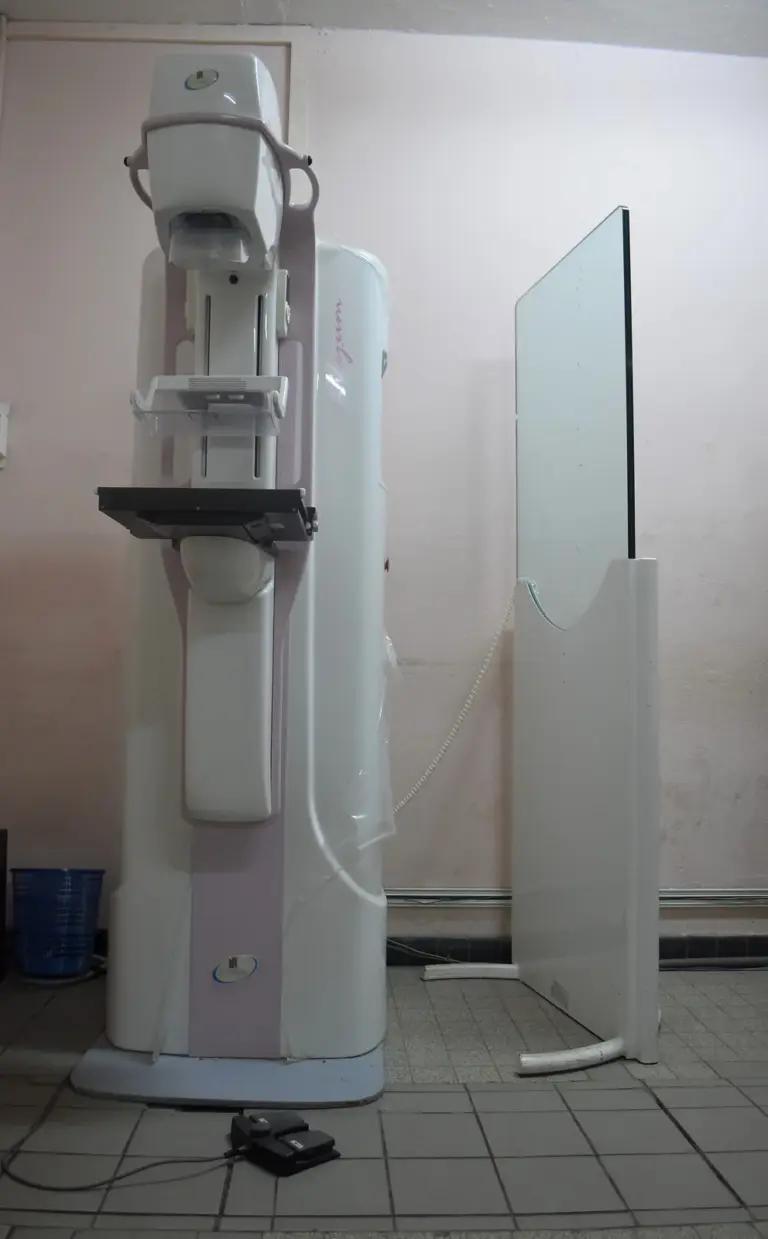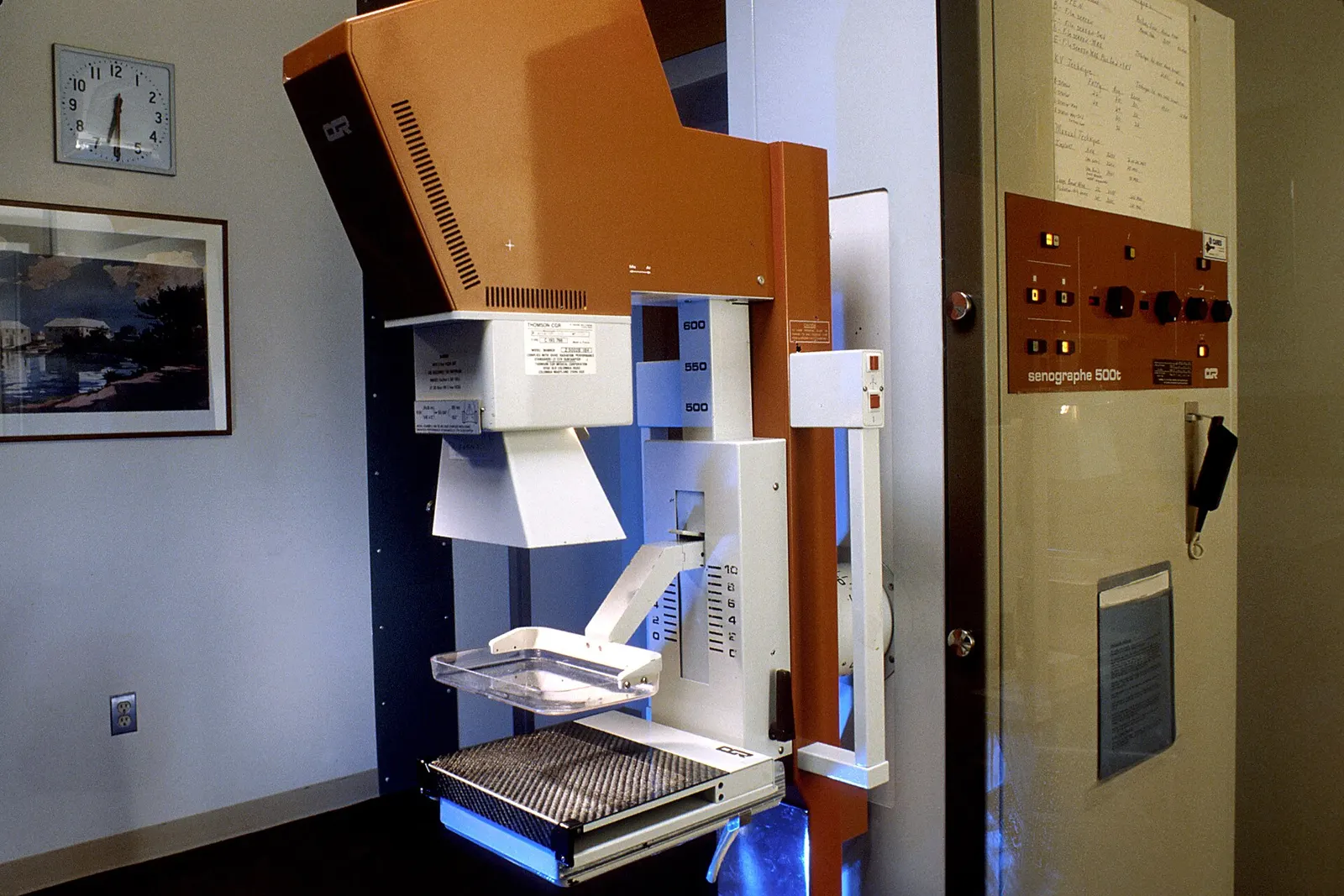
WHO has released a training manual for programme managers establishing or improving breast cancer services. Published on 19 October, it translates the Global Breast Cancer Initiative framework into practical planning. The announcement concerns health-system capacity, not a newly discovered treatment or a change to an individual patient’s care. [1]
A pathway, not a single appointment
The WHO package covers early detection, diagnosis and management, including patient navigation. Its announcement highlights the aim of diagnosing at least 60% of new cases at an early stage. This is a programme objective, not a statement that the target has already been achieved everywhere. [1]
What the framework connects
The wider initiative links health promotion and early detection with timely diagnosis and comprehensive management. That sequence explains why identifying a possible problem is not the end of the process. An effective programme needs an accessible route from the first concern to the services required for a confirmed diagnosis and appropriate care. [2]
The implementation test
Nove.news analysis: a manual creates a shared reference, but improvement must be demonstrated in the patient journey. Useful questions concern who is responsible for referrals, how missed appointments are followed up and whether delays between stages are measured. More information alone cannot remove an organisational barrier if no service is responsible for resolving it.
What comes next
Follow how national and local programmes use the guidance and report outcomes. The manual is not a substitute for individual advice from a qualified clinician.