The confirmed position
WHO reported on 20 October that Nigeria had confirmed one imported Bundibugyo Ebola case in Abuja. The patient was receiving care in isolation and 44 contacts had been identified for monitoring. UN News highlighted WHO’s support on 21 October. These figures describe the published update, not a live case counter. Forty-four contacts does not mean forty-four infections. [1] [3]
Travel history does not prove the source
Reuters reported Uganda’s clarification that the woman had visited eastern Democratic Republic of Congo and travelled through Uganda without symptoms. The place of exposure remained under investigation. WHO said it advised against restrictions on travel or trade with affected countries and was supporting case investigation, contact tracing and infection-control measures. [1] [2]
Context: why the distinction matters
An investigation works with several categories of information: a laboratory-confirmed patient, people with possible exposure and a travel history that still needs reconstruction. Treating all three as the same thing exaggerates what is known. It can also attach blame to a country or community before the evidence is established. The right question for a follow-up report is which uncertainty has actually been resolved.
What to watch next
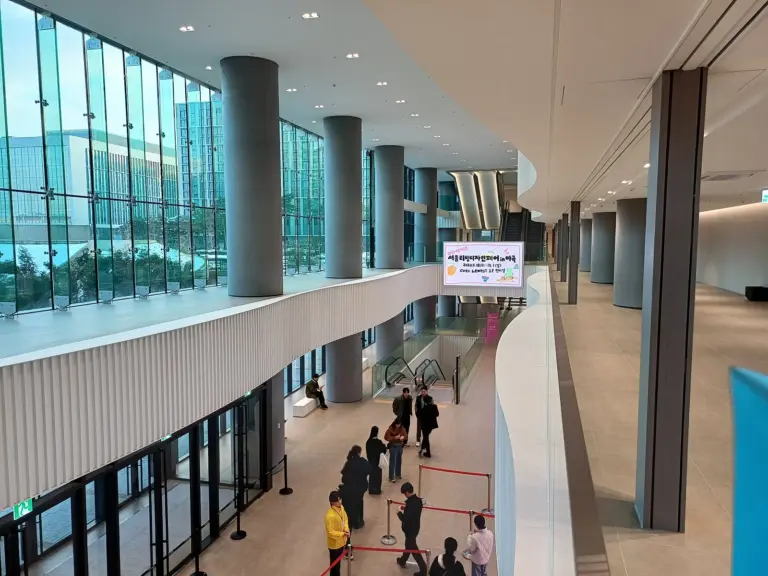
Further official updates should clarify whether monitoring identifies additional cases and what investigators establish about exposure. An absence of a new public statement is not, by itself, proof that an outbreak has ended. Readers should use current national health-authority and WHO information for changes in guidance. The archive city image identifies Abuja as a location; it does not show the patient, a treatment facility or the current response.