The facility is part of the response
WHO’s EPI-WIN programme scheduled a 21 October webinar on updated guidance for cholera treatment facilities. The agenda covers 2026 standards for design and construction, alongside water, sanitation, hygiene and infection prevention. This is guidance for safer care, not an announcement of a new medicine. [1]
Why the building matters
WHO connects timely treatment with facilities that reduce transmission and protect health workers. In its framing, centres need more than physical capacity: safe services and operational planning are part of care. The event page is an outline of guidance and discussion, not evidence that all facilities have implemented the standards. [1]
Context: capacity and readiness differ
Counting beds is a convenient way to describe a response, but a bed alone says little about whether a facility can function reliably. Planning must connect infrastructure, staff and daily operation. A standard becomes meaningful through implementation and maintenance; publication of guidance is only one step in that process.
What this report does not claim
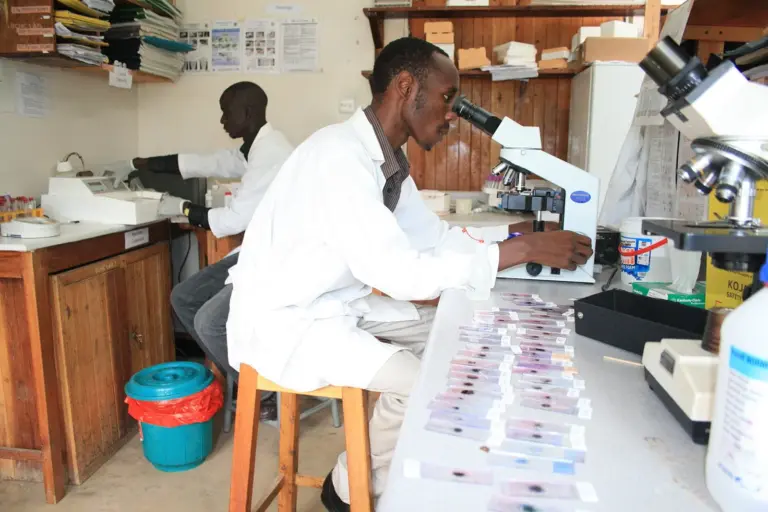
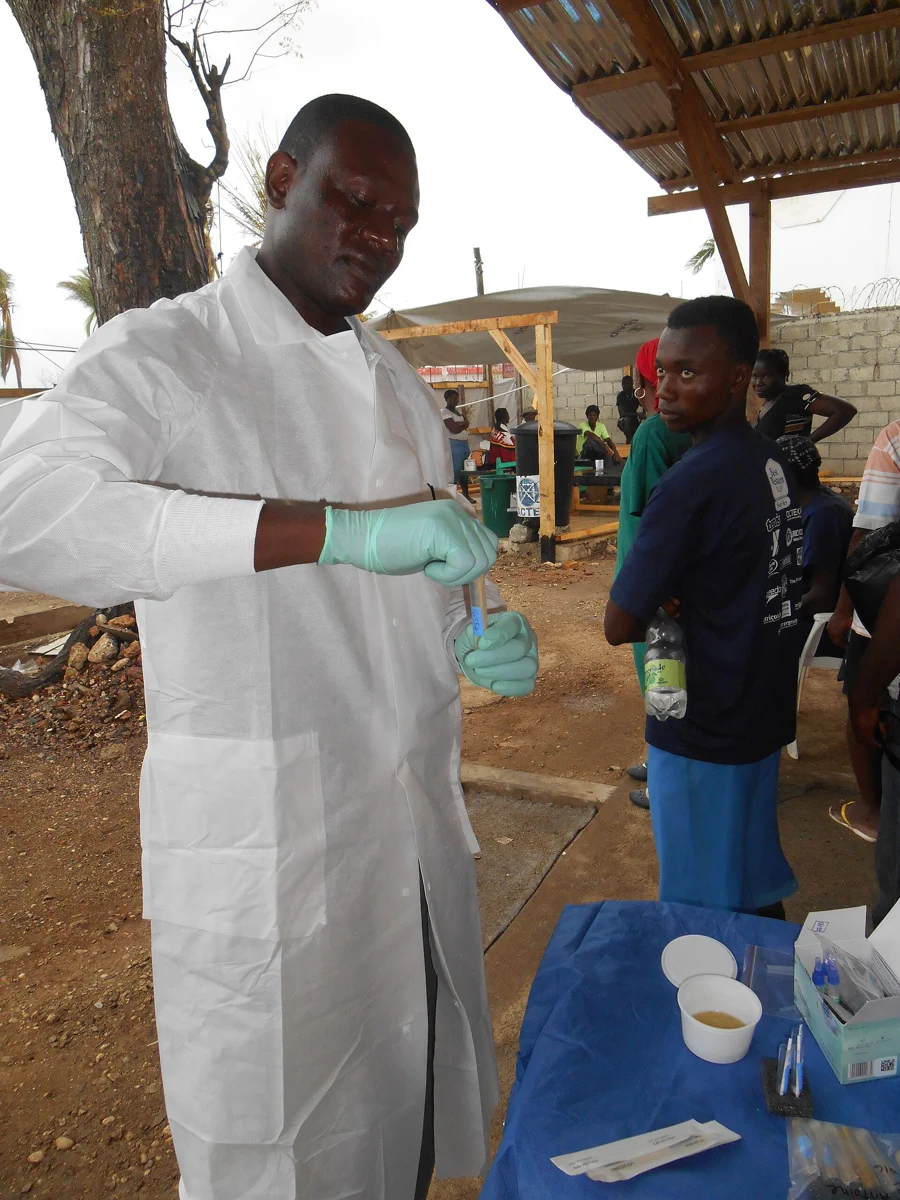
There is no new local outbreak count or individual treatment recommendation in this article. It reports the WHO guidance agenda and explains its operational significance. Country-level implementation and outcomes require separate evidence. The image shows cholera diagnostic work in Haiti in October 2016; it is illustrative and does not document the new standards.