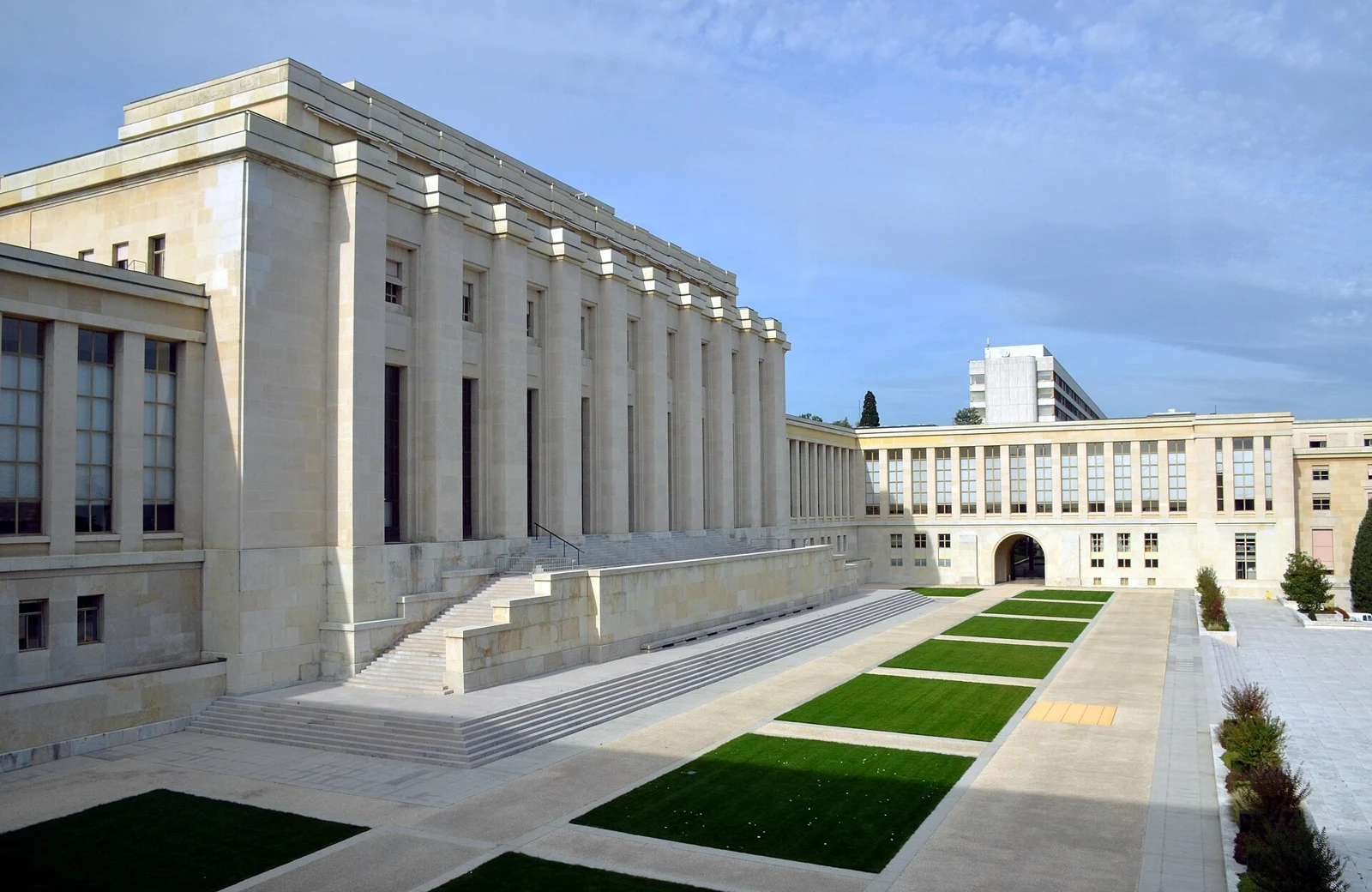
Diplomacy without a ceasefire
Nearly two dozen countries gathered in Geneva to coordinate efforts towards ending Sudan’s war, the UN reported on 21 October. Neither the Sudanese government nor the Rapid Support Forces was represented: the mechanism brings mediators together. It was not a direct negotiation between the combatants or an announced ceasefire. [1]
What the meeting is for
The UN describes discussions on de-escalation and a Sudanese-led political transition. Switzerland and the UN co-host the meeting. Humanitarian access and civilian protection are central concerns, but the report does not establish agreement by the warring parties to stop attacks. [1]
Context: coordination has a limited purpose
Multiple diplomatic channels can offer access to different actors, yet they can also send competing messages. Coordination is therefore a preparatory task: it can align mediators without binding the people who control forces on the ground. The distinction matters whenever a meeting is presented as progress towards peace.
What would count as a change
The meaningful next developments would be commitments from the parties, a credible monitoring arrangement and demonstrably safer access for civilians and aid workers. Those outcomes should be assessed separately from the existence of a diplomatic process. Nove.news has not independently verified conditions inside Sudan. The photograph shows the Palais des Nations in 2014, not the current meeting.