A smaller budget for 2027
The Global Polio Eradication Initiative says its oversight board approved an approximately $778 million operating budget for 2027, around $65 million below 2026. The decision was made at a 10 October meeting and published on 14 October. This is a recent funding decision, not a new announcement on 23 October. [1]
The operational consequence
GPEI warns that resource constraints can limit or delay outbreak responses and leave some preventive campaigns unfunded. Surveillance funding remains at its reduced 2026 level. These are programme warnings about constrained capacity, not a prediction of a specific outbreak in a particular country. [1]
Context: judge capacity as well as totals
A funding figure becomes more informative when paired with what it allows teams to do. For readers assessing this decision, the useful questions concern which activities are protected, which wait for additional resources and how progress is reported. A global budget cannot by itself describe an individual’s local situation.
What would clarify the impact
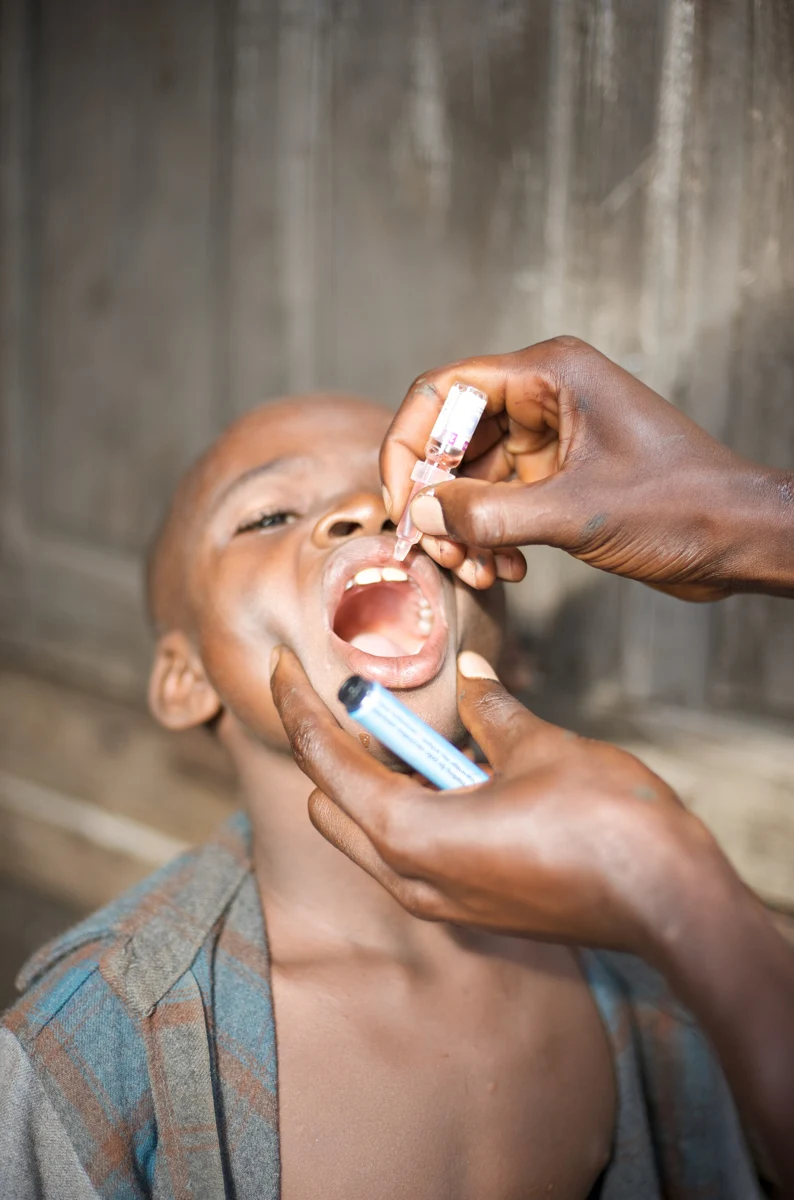
Published implementation plans and subsequent programme reports would help show how the reduction translates into delivery. New pledges should be distinguished from funds received and services completed. This is reporting on public-health financing, not personal vaccination guidance. The archive photograph shows polio vaccination in Conakry in 2009, not a current campaign.