This week's warning
The World Health Organization's lead-poisoning prevention week runs from 18 to 24 October under the theme From Detection to Prevention. The campaign stresses that exposure can be difficult to recognise and can come from different sources. This is a prevention campaign, not an announcement of a new outbreak. [1]
Why children need particular protection
WHO says lead can harm several body systems and is especially dangerous for young children. It can accumulate in bones and teeth; there is no exposure level known to be free of harmful effects. Potential sources include contaminated dust and soil, some paints and unsafe battery recycling. [2]
Detection needs evidence
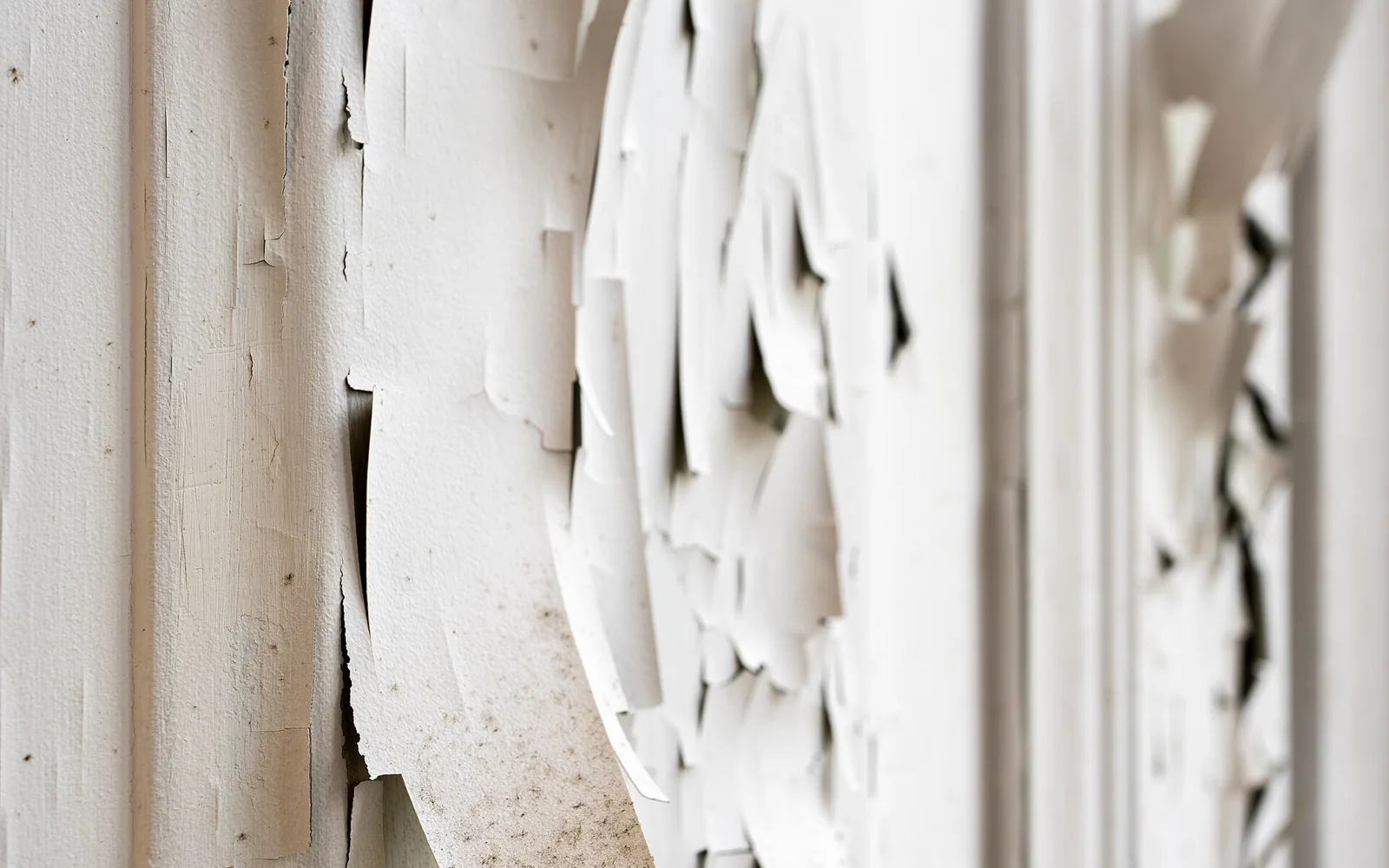
A picture of old paint cannot establish whether it contains lead. WHO describes assessment using exposure history, clinical evaluation and blood-lead measurement. When exposure is suspected, a health professional can advise on appropriate assessment. The practical aim is to identify and stop the source, rather than infer a diagnosis from the appearance of a room or a symptom alone. [3]
Context: prevention outlasts the campaign
A week of attention is useful if it leads to lasting checks on materials, working conditions and sources of contamination. The issue connects housing, consumer products and industrial practices, rather than sitting only inside a doctor's office. Our illustrative photograph shows peeling paint; its lead content has not been established. It should not be read as evidence of contamination at the photographed building.