EU leaders welcomed Moldova’s opening of negotiating clusters 2 and 3 in their 15–16 October meeting. The conferences took place on 13 October. The development expands accession talks; it does not make Moldova an EU member. [1]
What has opened
The Council’s conference announcement identifies the new areas as the internal market, and competitiveness and inclusive growth. Opening a cluster starts work across related policy chapters. For readers following enlargement, the distinction between opening negotiations and completing them is essential: the announcement marks a procedural advance rather than proof that every requirement in those areas has been met. [2]
Why the process continues
The Council’s explanation of enlargement describes political, economic and administrative conditions, alongside adoption and implementation of EU law. Completed negotiations must be followed by an accession treaty and the necessary approvals and ratifications. The process therefore combines technical reform with decisions by existing member states. A new negotiating milestone is not a fixed accession date. [3]
What to watch beyond the announcement
Nove’s interpretation is that the next useful indicators are the specific reform commitments, evidence of implementation and formal decisions on further chapters. Counting opened clusters alone gives an incomplete picture. The same headline can signal political momentum while leaving substantial administrative work ahead. The October summit’s merit-based framing should be read as a condition on progress, not a promise of automatic completion. [1]
What comes next
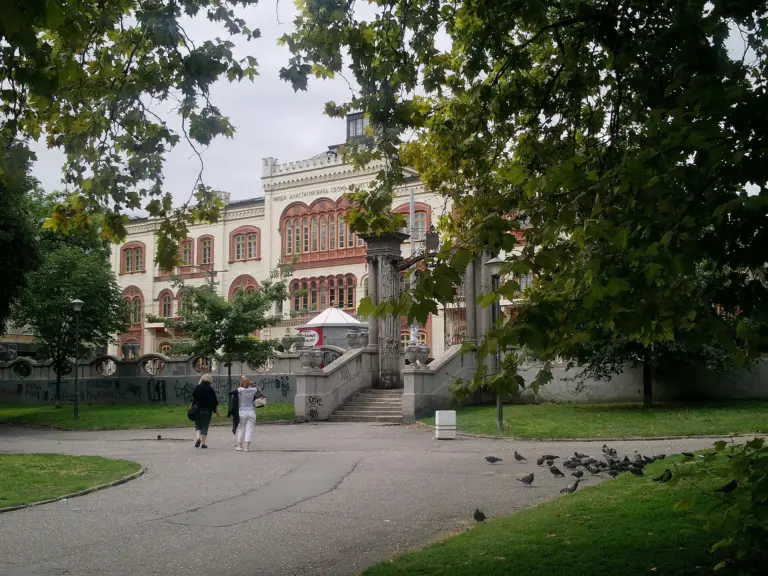
Follow subsequent accession-conference documents and official reform assessments. This article distinguishes the conference on 13 October from leaders’ welcome later that week. The photograph shows Moldova’s government building in 2023, not delegates meeting in October 2026.