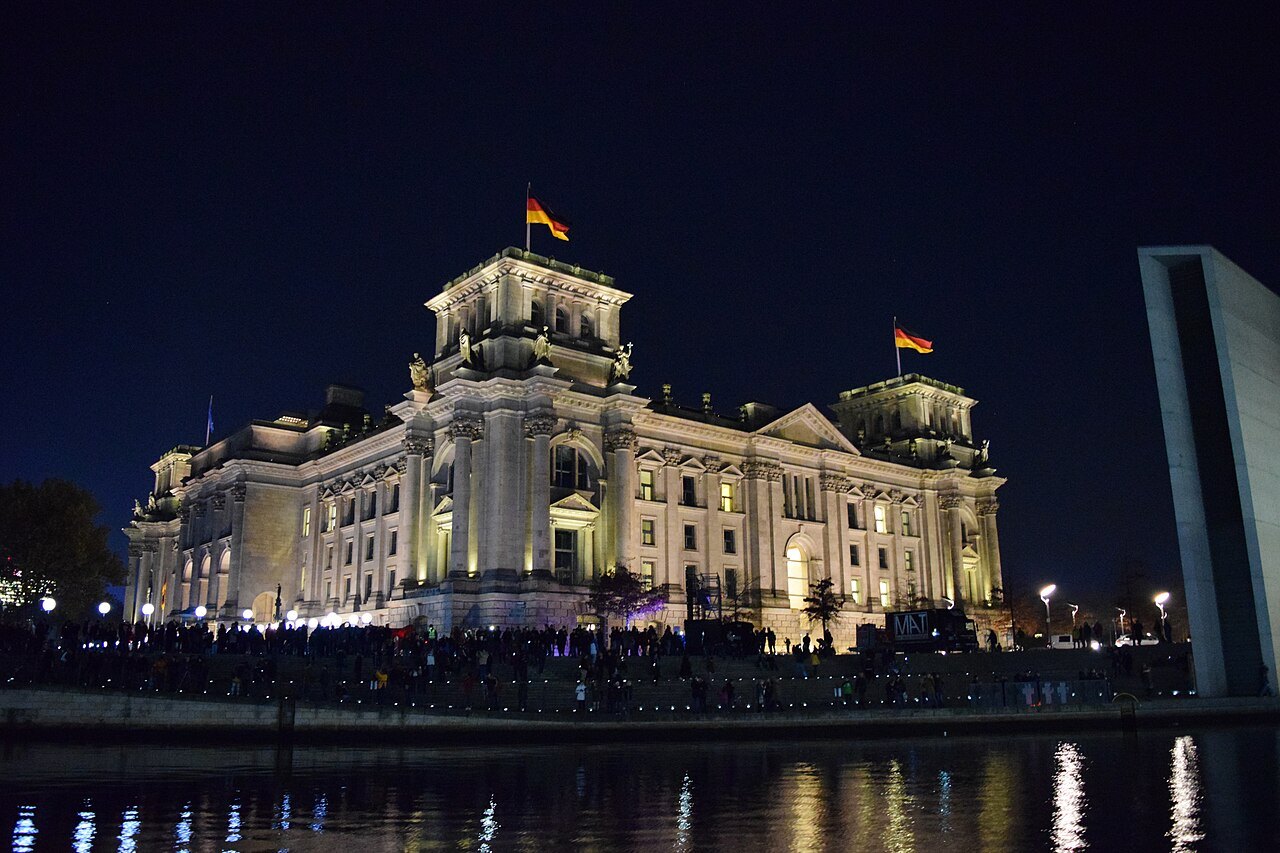
Germany’s Bundestag has approved the federal budget for 2027. The final roll-call result on 27 November recorded 316 votes in favour and 260 against, with no abstentions among the 576 votes cast.
The decision turns months of negotiations over public spending into a parliamentary mandate for the coming year. It does not remove the economic pressures behind the debate: investment needs, social commitments and the cost of financing them.
More than one headline number
Germany’s public-finance debate involves the core federal budget as well as separate financing arrangements. Figures describing different parts of that system cannot simply be treated as interchangeable totals.
The budget committee’s preparatory work included changes to spending plans and accompanying legislation. The final parliamentary vote is a later procedural step; a committee proposal and an adopted text are not the same document.
Why the decision matters beyond Berlin
Germany is a major market for European exporters and an important location for industrial investment. Public spending on transport, energy and defence can affect orders, capacity and business expectations across supply chains.
Those effects do not arrive automatically on the day of a vote. Projects still require implementation, procurement and administrative capacity. An authorised expenditure is not the same as a completed railway, a signed industrial contract or money already reaching a supplier.
The political argument now moves from whether the budget can pass to what it will deliver. For businesses and households, the more useful test will be the operation of the individual measures and their start dates, rather than the size of a single headline figure.