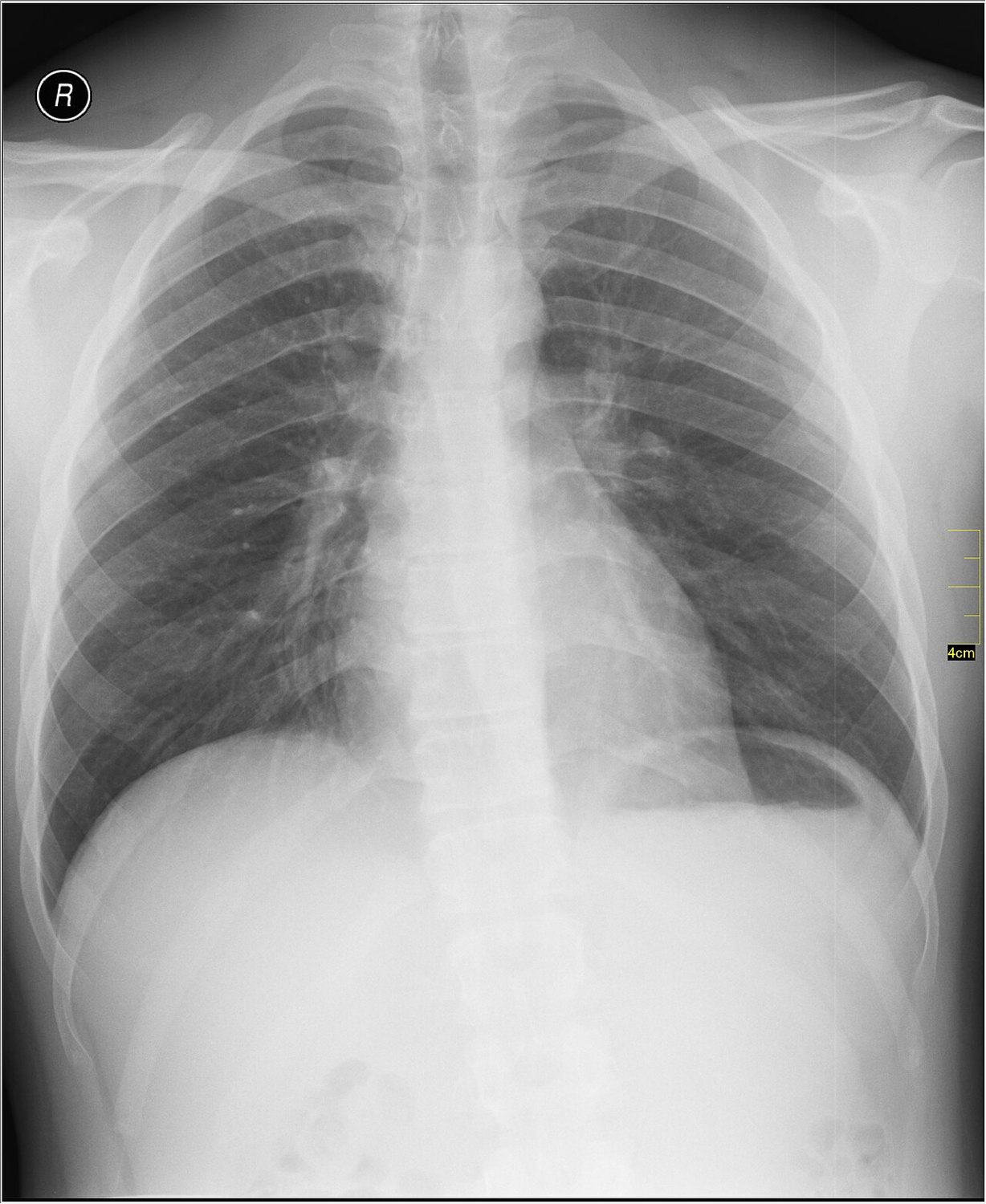
A new British project will monitor how medical artificial intelligence performs after it enters hospital practice. SENTINEL-AI brings together NHS organisations in Birmingham, Glasgow and Cambridge, starting with tools that interpret chest X-rays.
The aim is to identify performance changes, uneven accuracy and potential bias across different patient populations. Passing an initial test does not guarantee that a system will work equally well in every hospital or remain reliable as conditions change.
Compare results without moving patient records
The project will use a federated system: detailed analysis takes place inside each organisation’s secure data environment. Aggregated, anonymised performance measures can then be compared through a central dashboard.
Patient-level records remain under local control. NHS staff will check the results intended for sharing to protect confidentiality. This is different from pooling identifiable medical records in one database.
A framework still being built
The collaboration includes University Hospitals Birmingham, NHS Greater Glasgow and Clyde, Cambridge University Hospitals, CERSI-AI and technical partner Newton’s Tree, with support from the Health Data Research Service.
Its initial work concerns chest X-ray AI, including products designed to identify normal scans or support lung-cancer detection. A later toolkit is intended to make the monitoring approach reusable in other settings.
The project is developing and implementing this framework; it has not yet established improved patient outcomes. Findings are due in 2027. The important test will be whether monitoring can reveal problems that a single hospital would miss and support a timely response.