Spain has mobilised 120 military personnel to reinforce medical care on El Hierro, one of the Canary Islands facing sustained migrant arrivals by sea. The deployment includes 25 vehicles and other assets, among them two ambulances, and provision for two forward medical posts.
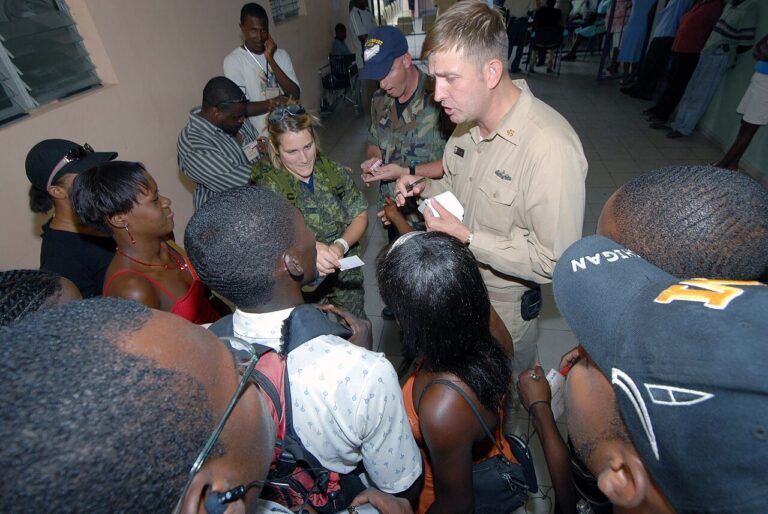
The emergency unit is supporting triage and the stabilisation of patients who need urgent treatment. Its role is to supplement civilian services, rather than replace the island’s hospital or turn the medical response into a military operation against those arriving.
More staff before the hospital door
The contingent includes doctors, nurses and medical technicians alongside personnel needed to operate the wider deployment. The figure of 120 therefore refers to the whole force, not to 120 doctors.
Treating people closer to the reception point can help distinguish cases needing hospital transfer from those who can be stabilised on site. That matters on an island where a concentrated surge in arrivals competes for the same limited emergency resources used by residents.
A medical and humanitarian response
The reinforcement follows requests for additional state assistance from the Canary authorities. Spain had already announced extra rescue and reception resources earlier in November as pressure increased on El Hierro.
Long sea journeys can leave people needing immediate assessment, while children and other vulnerable arrivals require suitable reception and follow-up. Medical triage determines urgency according to the patient’s condition.
The deployment does not resolve the wider questions of accommodation, transfers and the distribution of responsibility between administrations. Its immediate purpose is narrower: to strengthen the capacity to assess and treat people without allowing emergency demand to overwhelm everyday healthcare.