The World Health Organization’s Expert Committee on Drug Dependence is holding its 49th meeting on 19–22 October. Its agenda covers several opioids, benzodiazepines and anaesthetic substances. A scientific review is a step in an assessment process; it is not an announcement that every listed substance has just been banned. [1]
What is on the agenda
The provisional agenda lists critical reviews of cychlorphine, etomethazene and spirochlorphine among opioids, plus desalkylgidazepam and ethylbromazolam among benzodiazepines. Etomidate and medetomidine are listed for preliminary review. These are different stages of examination, so placing all the names under one conclusion would misrepresent the programme. [2]
Drafts are evidence, not outcomes
WHO’s meeting page makes review documents available and labels reports as draft material prepared for discussion. Their availability allows readers to inspect the evidence under consideration. It should not be confused with a published final recommendation from the committee or a completed decision by the international authorities. [3]
What experts examine
WHO describes an independent expert committee assessing scientific and medical evidence, including dependence, abuse and public-health considerations. The task involves evaluating evidence under the international drug conventions. The relevant questions therefore concern both risks and legitimate medical or scientific uses, rather than treating a substance’s unfamiliar name as proof of danger. [4]
Who can decide on control
WHO’s review guidance explains the process for recommendations to the Commission on Narcotic Drugs under the 1961 and 1971 conventions. Expert assessment, WHO recommendations and decisions about international scheduling are separate steps. The opening of this week’s meeting cannot be reported as a completed global scheduling decision. [5]
Why the distinction matters — Nove.news context
Health headlines can compress a technical process into a frightening certainty. Readers need the status of the evidence, the stage of the review and the institution responsible for the next decision. This report explains that process; it does not offer instructions for using substances or changing prescribed treatment. [4]
What comes next
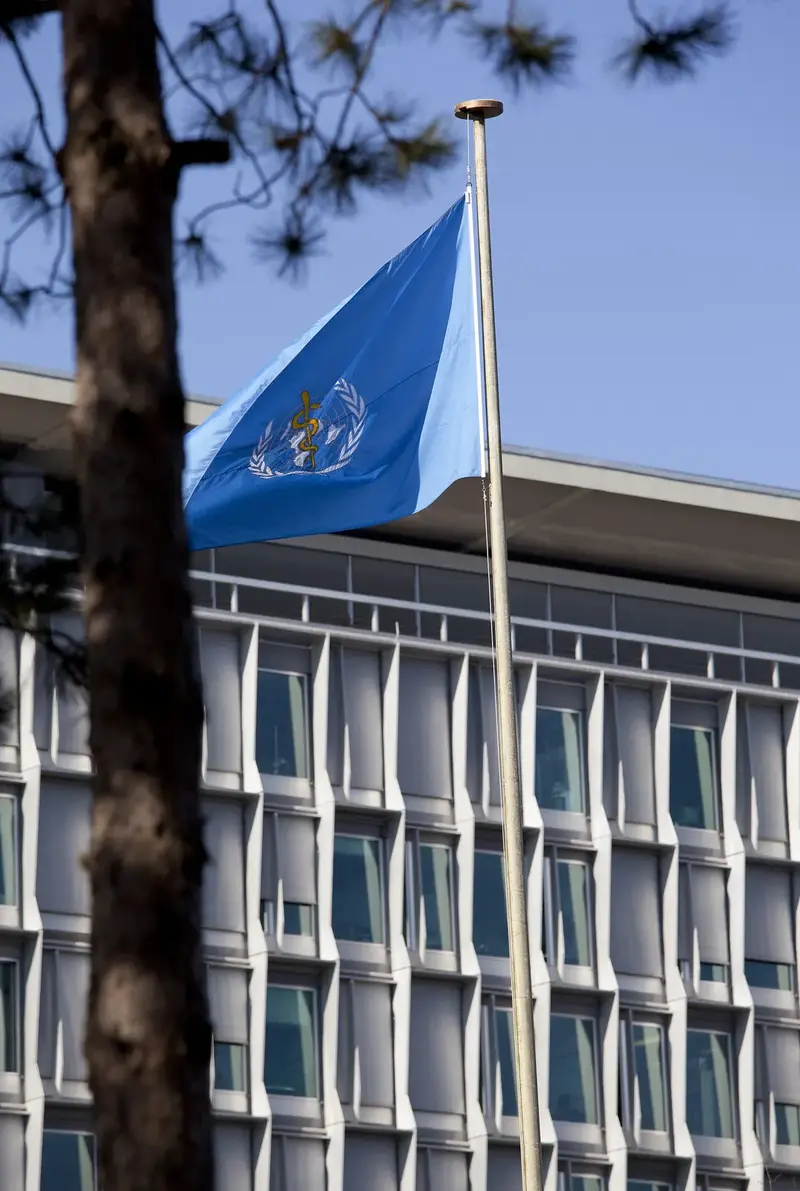
Watch for the committee’s published conclusions and any subsequent recommendations. The photograph shows WHO headquarters in an earlier year, not the October 2026 meeting.