What WHO published
WHO released a breast-cancer programme training manual on 19 October. It is intended for programme managers and covers the pathway from prevention and early detection to diagnosis, management and patient navigation. The publication offers guidance for organising services; it does not announce a newly proven treatment. [1]
The framework behind the manual
WHO's Global Breast Cancer Initiative connects three areas: early detection, timely diagnosis and comprehensive management. The distinction matters because identifying a possible problem and completing appropriate care are different stages. The initiative presents them as parts of one service pathway, rather than treating the first test as the endpoint. [2]
Context: the gap between appointments
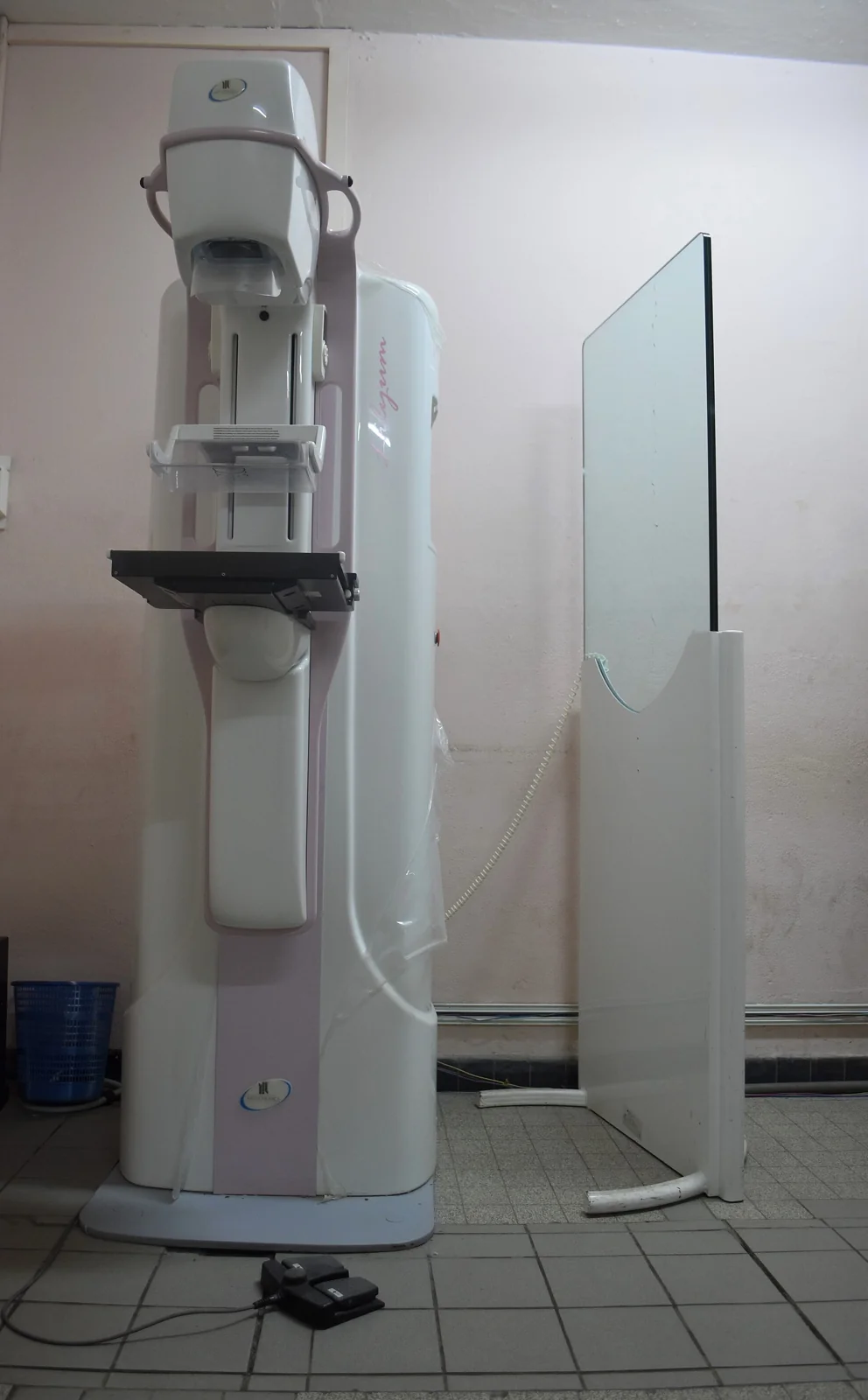
A service pathway can break down when responsibility for the next step is unclear. Patients may need to move between facilities, obtain results and understand where a referral leads. Evaluating a programme therefore requires attention to the transitions as well as the availability of equipment. A machine can be present while the process around it remains difficult to navigate.
What successful implementation would show
The practical test is whether services can document that people move through the required stages without avoidable gaps. The manual itself cannot demonstrate that such improvements have already occurred in a particular country. This article describes a public-health initiative and does not determine an individual's screening schedule or interpret a medical result. The photograph shows equipment, not an identified patient.