An invisible exposure
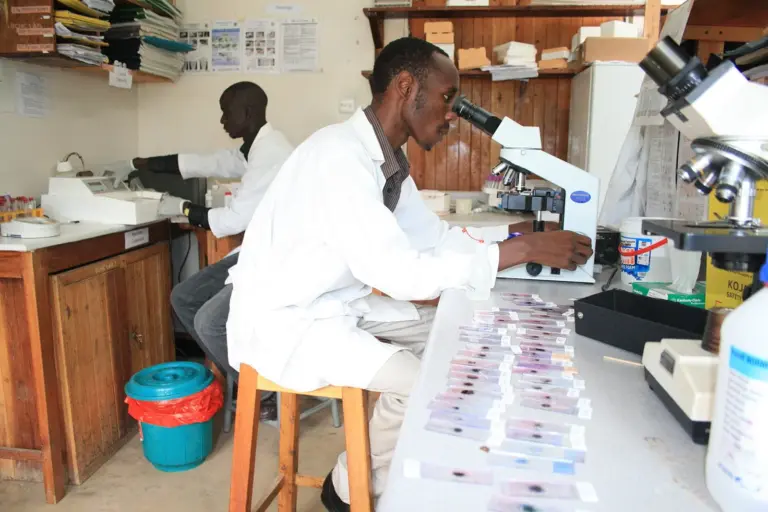
A WHO feature published on October 22 describes Ethiopia’s efforts to improve prevention, testing and care for lead exposure. The response connects clinical guidance, laboratory capacity and the search for contamination sources. [1]
Why a test is not the finish line
The WHO account follows risks through workplaces and homes, including battery recycling. Detecting exposure is a starting point: the source must also be investigated if further exposure is to be prevented. [1]
The wider health context
WHO identifies children as particularly vulnerable and says there is no known harmless level of lead exposure. Blood testing is used to assess exposure. Contaminated dust, water and some industrial processes can be routes of exposure; the absence of obvious symptoms is not a safety certificate. [2]
Context: prevention is a system
The editorial significance is the connection between a measurement and a practical response. A result in a laboratory is more useful when someone can investigate where exposure occurred and decide how to reduce it. Reporting a new programme should therefore separate the work being developed from outcomes already demonstrated.
What the report does not establish
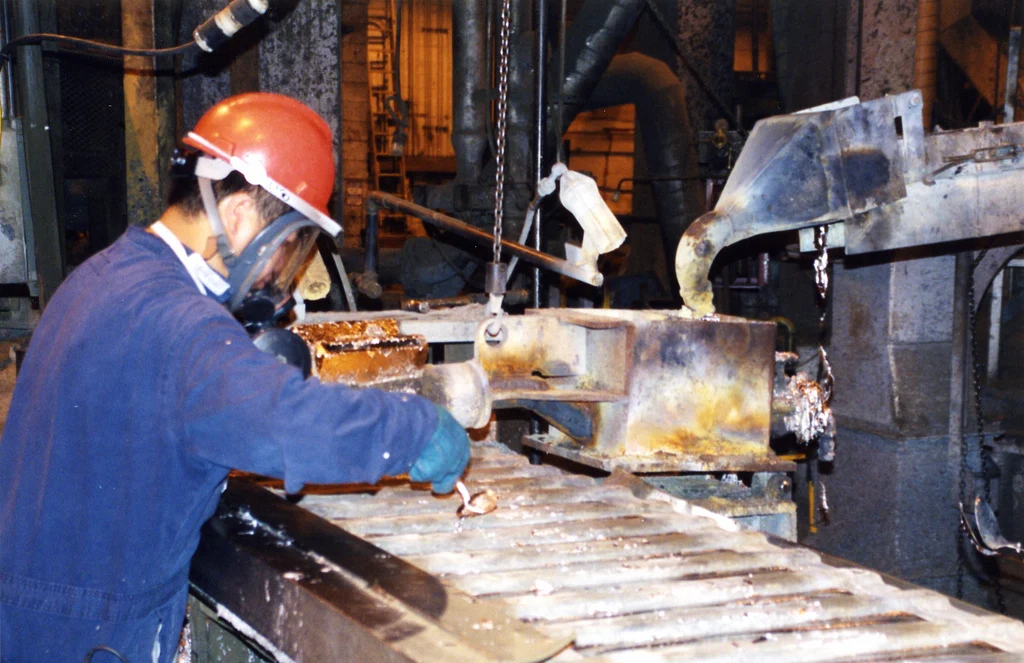
This feature does not provide a new national prevalence estimate or prove that a particular household product is contaminated. A photograph of industrial recycling is also not evidence about conditions at an Ethiopian facility. Local findings require local testing and an identified source.
For readers
Suspected exposure should be discussed with a qualified health professional or the relevant public-health service. This report offers context, not an individual diagnosis or treatment plan. The follow-up question for policymakers is whether detection, care and source control become a durable, connected service.