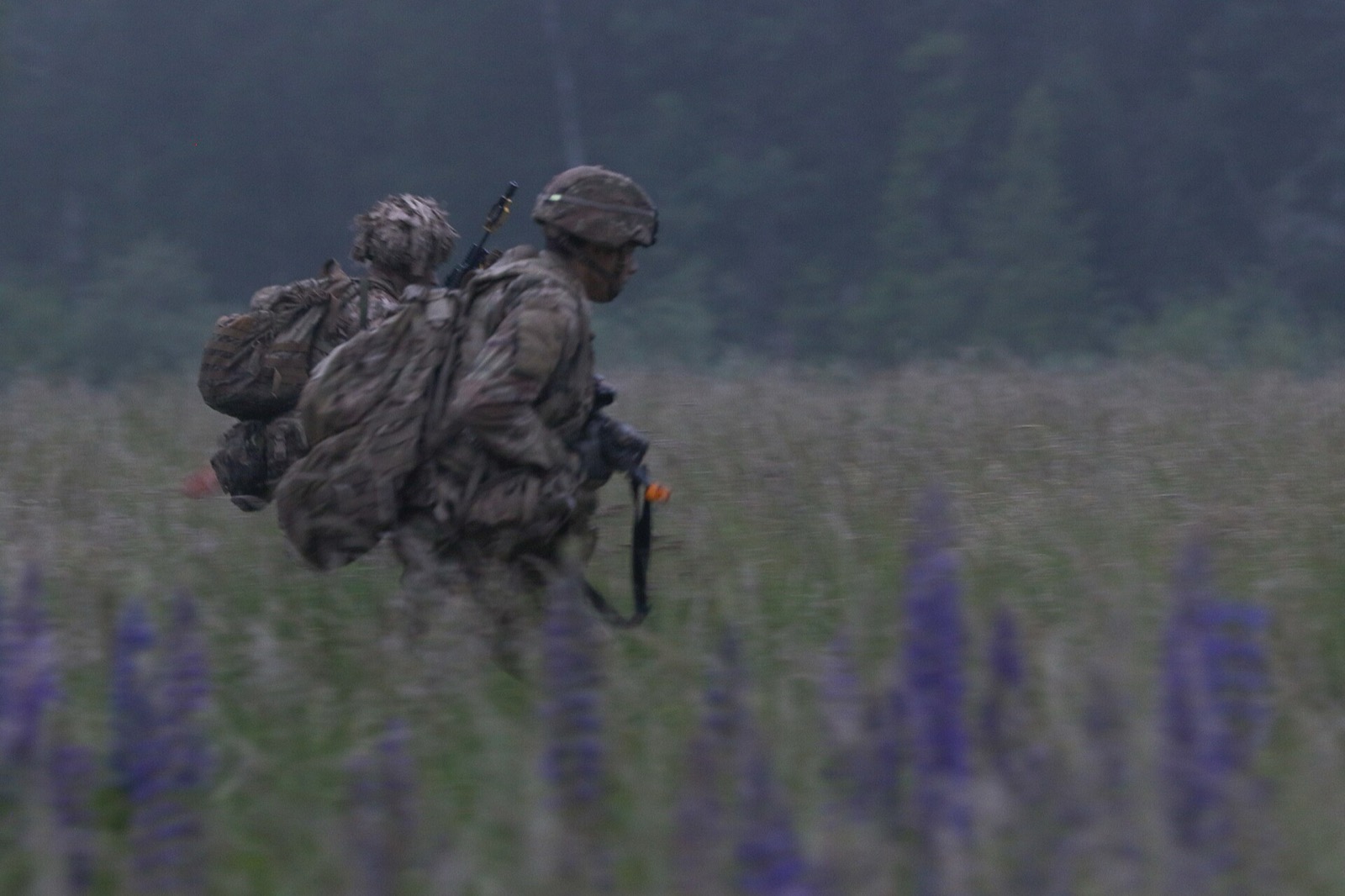
Britain and France will jointly lead a multinational exercise in Poland from 9 to 22 November to prepare for a possible security role in Ukraine after the fighting ends. Exercise Koalicja will involve about 2,800 personnel from 11 countries. It is a rehearsal for a future mission, not an announcement that allied troops are entering Ukraine now.
The British contribution includes 300 personnel, RAF Typhoon fighters and a Voyager refuelling aircraft. The exercise will test the movement, protection and supply of a force intended to help rebuild Ukraine’s armed forces once hostilities stop. Command arrangements and the ability of national contingents to work together are central to that preparation.
The participating countries are Belgium, Estonia, France, Germany, Lithuania, the Netherlands, Poland, Spain, Sweden, Türkiye and the United Kingdom. The Multinational Force Ukraine is the military component of the Coalition of the Willing. Its planning runs alongside diplomacy, but the existence of an exercise does not establish an agreed ceasefire or the terms of a deployment.
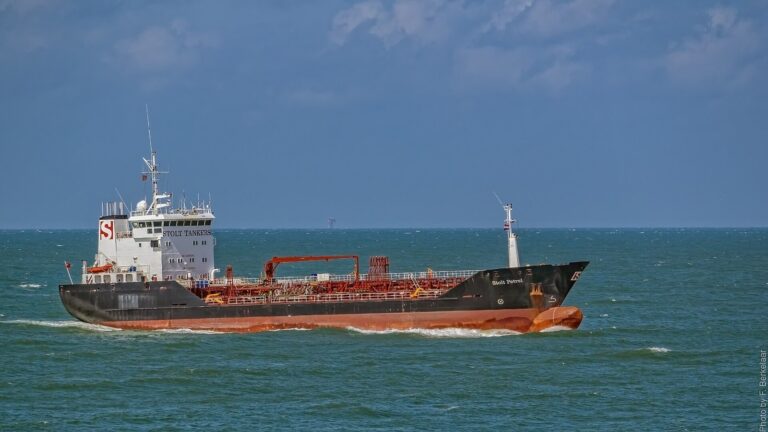
The work also extends beyond the land component in Poland. Turkish forces will establish the exercise’s maritime element in Istanbul to test arrangements for mine clearance and the safe return of commercial shipping to Ukrainian ports. Air operations will simulate reassurance for civilian aviation when Ukraine’s skies reopen, rather than announce that airspace has already reopened.
The practical issue is whether a political commitment can be supported by transport, supplies, communications and a workable chain of command. Training can expose gaps before a mission begins, but it cannot settle the conditions under which that mission would be authorised or accepted. Those questions remain separate from the exercise timetable.