The report’s central warning
UNEP’s 2026 Emissions Gap Report says the world is set to exceed 1.5°C of warming above pre-industrial levels. Its stated priority is urgent emissions reductions to limit the size and duration of that overshoot and enable a return to 1.5°C by the end of the century. This is an October report, not a new release on 23 October. [1]
One hot year is a different measure
WMO stresses that an individual year above 1.5°C is not the same as exceeding a long-term temperature goal. Annual values can move around the underlying trend. The distinction prevents two misleading conclusions: that a single cooler year solves the problem, or that a single hotter year makes all future action pointless. [2]
Context: overshoot is a pathway, not permission to delay
The report’s emphasis changes the practical question from whether a threshold appears in a headline to how far temperatures rise, for how long and what brings them down. A stated return pathway needs to be read alongside the actions it assumes. Calling a future outcome possible is not the same as saying that current policy will deliver it.
How to read the next policy announcements
A useful test is to separate a target from an adopted measure, and an adopted measure from verified delivery. Announcements about future reductions need dates, a baseline and an explanation of what is included. Those details make promises comparable; without them, apparently similar percentages can describe very different commitments.
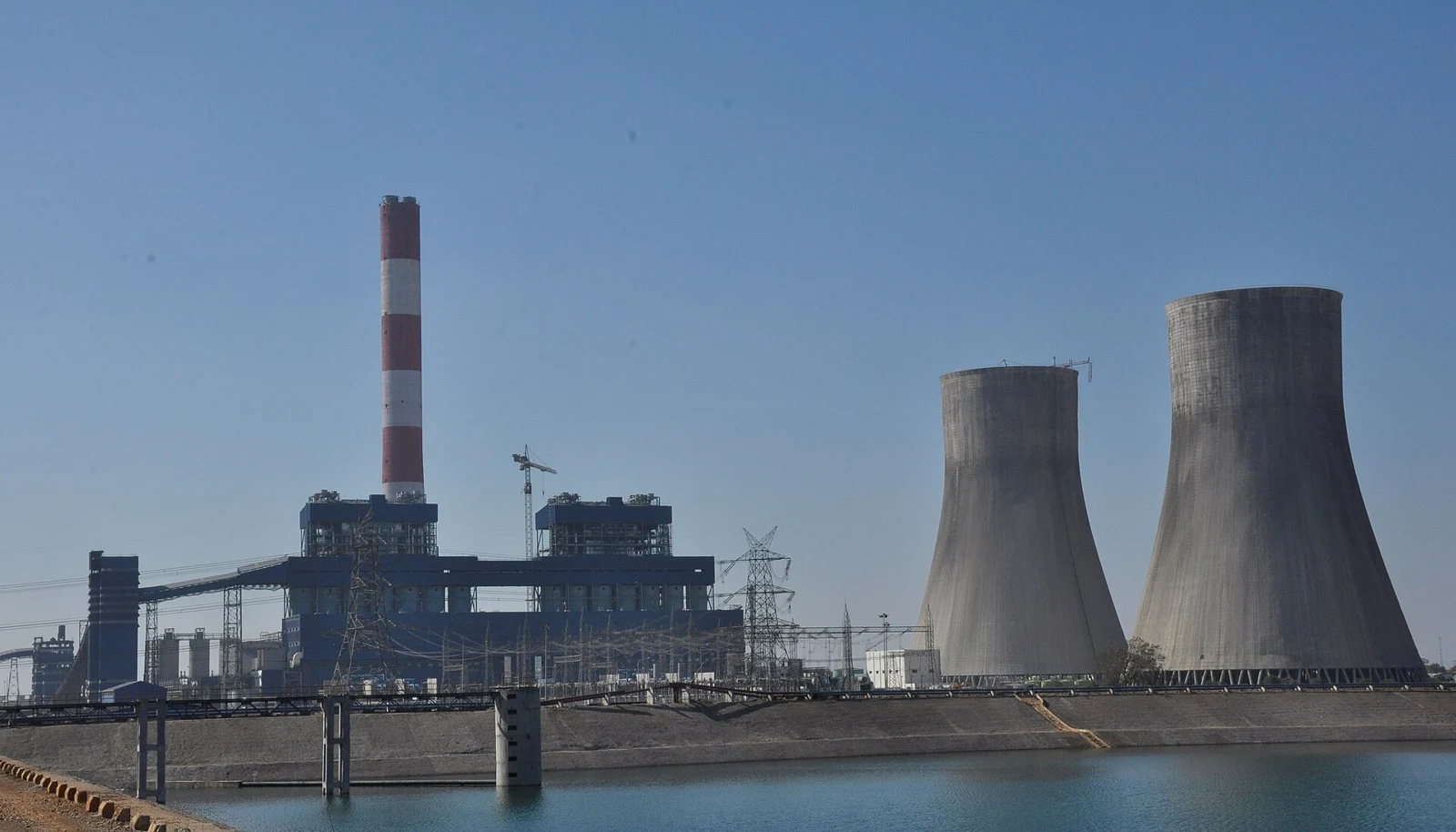
What the photograph represents
The image shows Raikheda power station in India in January 2015. It illustrates energy infrastructure, not a new emissions measurement, a particular 2026 policy decision or evidence about the current operation of that plant. Nove.news has not independently modelled future temperatures. The projections and distinctions in this article come from UNEP and WMO; the policy-reading sections are editorial context.