Diplomacy and attacks in parallel
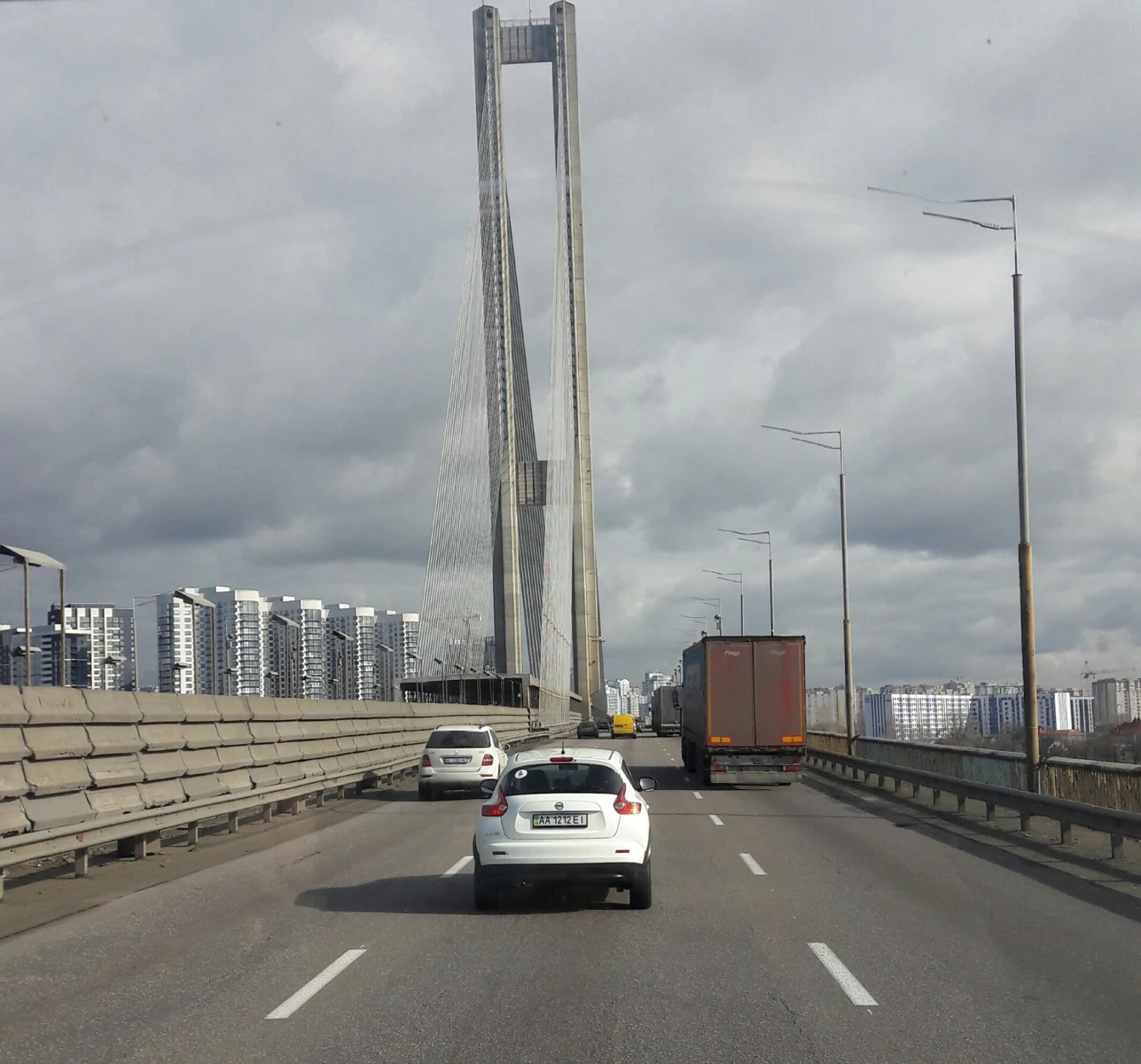
Russia and Ukraine exchanged attacks on 22 October after US mediation contacts. Reuters reported strikes on Kyiv and damage to metro infrastructure at the Southern Bridge, citing city authorities. Moscow’s mayor reported Ukrainian drones directed towards the Russian capital. Those official accounts describe different locations and should not be combined into one incident. [1]
A later casualty account
A later Associated Press account, citing Ukrainian officials, reported at least four people killed across Ukraine and dozens wounded. Russia’s military separately claimed more than 800 drones intercepted. These are attributed reports, not figures independently established by Nove.news or a single common measure of the attacks. [2]
What the diplomatic signal means
Reuters reported Ukrainian support for further three-way talks and the Kremlin’s statement that Putin agreed to resume US-mediated negotiations. Willingness to attend a meeting does not itself establish an agreement on terms, a timetable for withdrawal or an order to stop attacks. [1]
Context: judge the process by its output
The practical questions are whether the parties agree on an agenda, who can make binding decisions and what happens while negotiations continue. A diplomatic channel can remain open during fighting. For readers, the stronger evidence of a change would be a concrete commitment and a way to test compliance, rather than optimistic language about a meeting alone.
The civilian infrastructure question
Damage to transport and energy systems deserves attention alongside negotiating statements because it changes daily life beyond the immediate impact site. The effect on a particular journey or neighbourhood still requires local updates; this report is not a live service-status notice. Casualty totals may change as information is checked. The photograph shows Kyiv’s Southern Bridge in March 2019, not damage from the October 2026 strikes.