Samarkand puts investment on the agenda
A summit in Samarkand has brought investment in children’s well-being into the international policy debate. In a speech on 21 October, the President of the UN General Assembly called for children to come before institutional processes and for joined-up systems that reach those furthest behind. [1]
The financing question
The address links political promises with financing and implementation. It is a statement of priorities, rather than proof that governments have released new money or delivered services. The distinction is central to assessing what follows the meeting. [1]
Context: a promise needs an owner
A useful way to judge any summit commitment is to ask which institution is responsible, which budget pays for it and when progress will be measured. A broad declaration can establish common language, but those three practical questions determine whether it becomes a programme that families encounter in daily life.
What to watch next
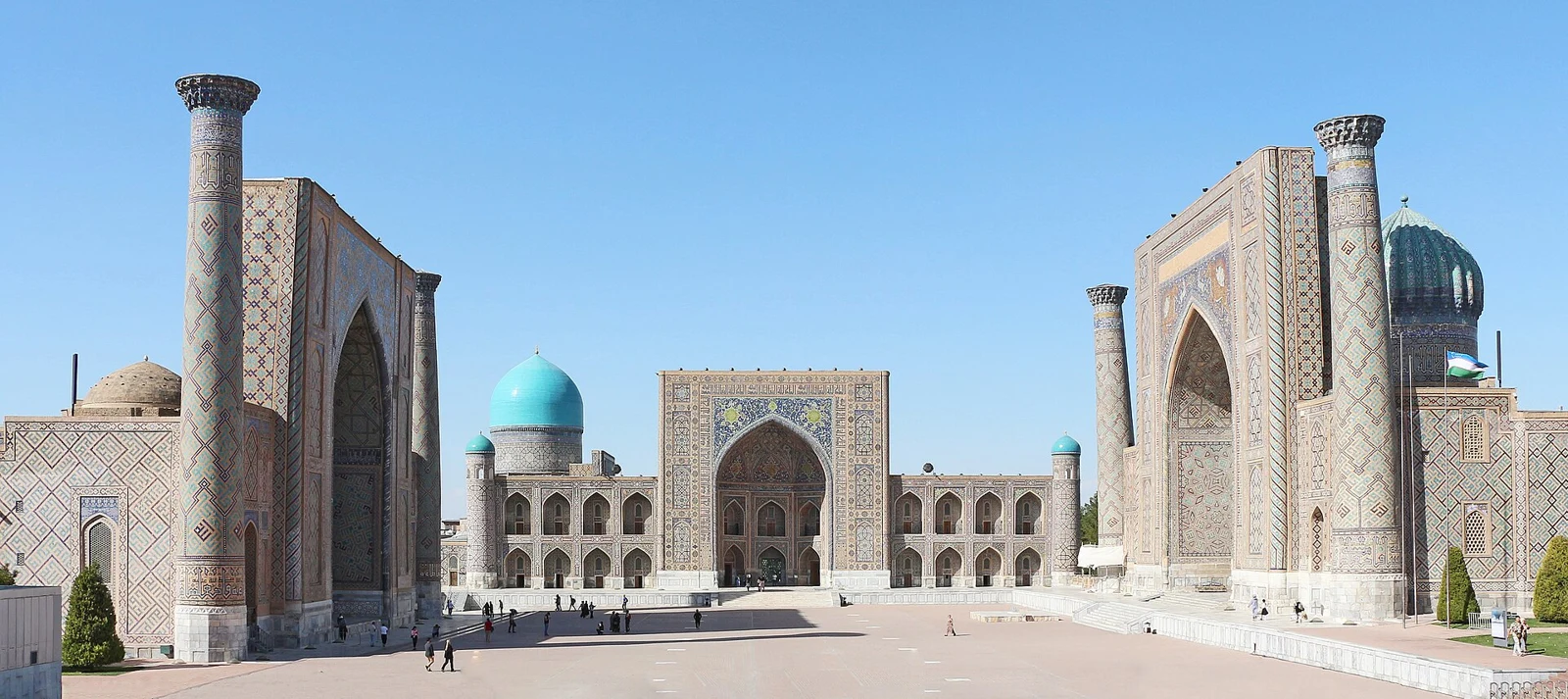
National budget decisions, implementation plans and public reporting would make the promises easier to assess. Funding announcements should also distinguish genuinely additional resources from existing spending given a new label. This is Nove.news editorial context, not a claim that the summit has already produced those outcomes. The photograph shows Samarkand’s Registan in 2023, not the meeting.