The debate reaches the operators
European utilities and other critical-infrastructure operators want greater powers to counter drones, Reuters reports. France has authorised approved operators under an August law; Germany is reviewing their possible role. These are different national approaches, not a blanket European permission for companies to shoot down aircraft. [1]
Context: detecting is not deciding
Knowing that an object is present does not by itself establish hostile intent or a safe response. An infrastructure site has to keep operating while the threat is assessed. Decisions therefore connect the operator's technical knowledge with the public authority's responsibility for security, airspace and the people nearby.
The responsibility follows the response
Reuters highlights unresolved questions about who can order intervention and who is liable if bringing down a drone injures someone or damages property. The prospect of disruption does not remove those risks. Equipment procurement and permission to use it are separate issues. [1]
What matters beyond the headline
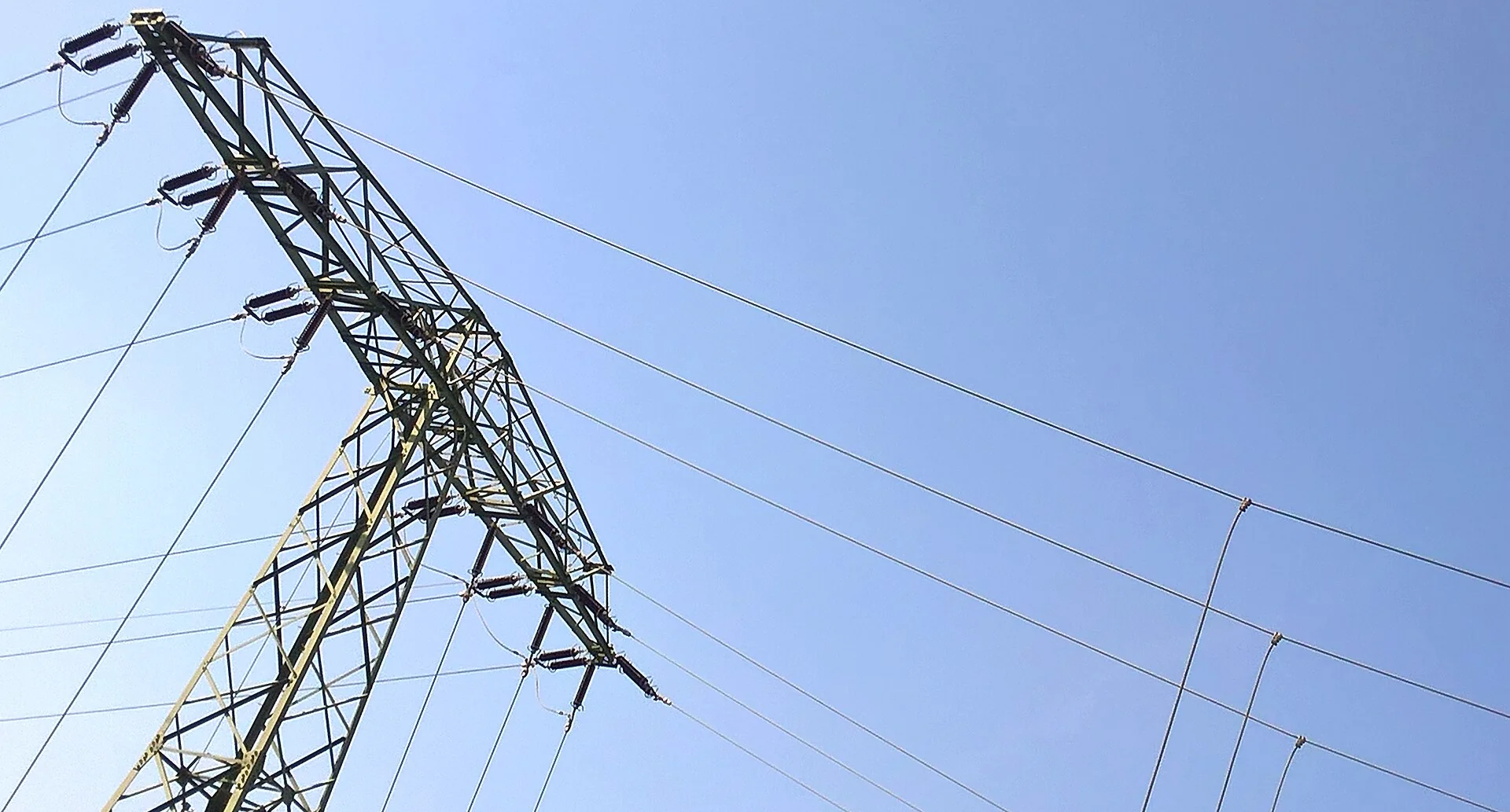
The practical test is whether procedures define a clear chain of command, escalation thresholds and accountability after an incident. Giving an operator more responsibility without clarifying those boundaries can leave uncertainty precisely when a quick decision is needed. The archive photograph illustrates electricity infrastructure; it does not document a drone attack.