Bulgaria has reported 619 measles cases since the beginning of 2026, compared with two in the equivalent period a year earlier. The latest weekly surveillance bulletin records seventeen cases in week 47.
Of those seventeen, sixteen are classified as confirmed and one as probable. The figures are operational surveillance data and can be revised at the end of the month and year. They are not 619 new cases in a single day.
Why the increase matters
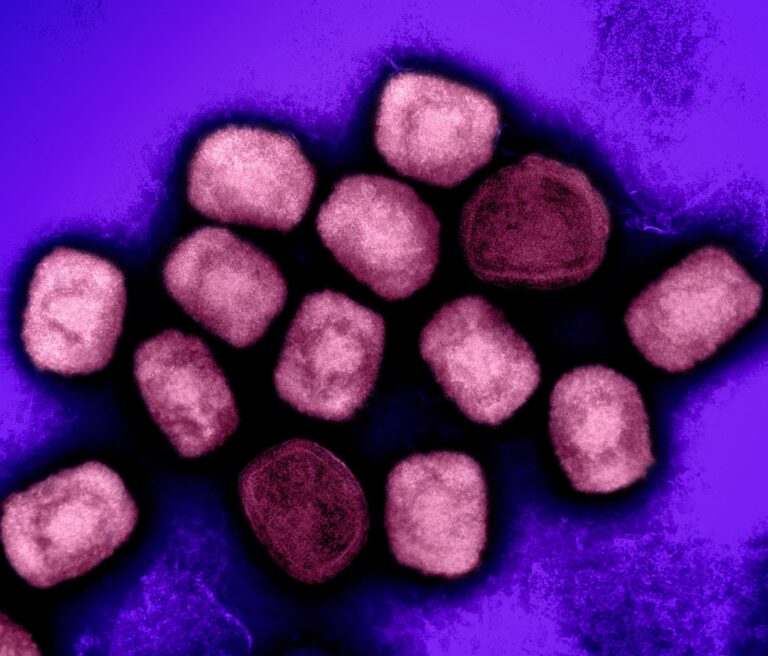
Measles spreads through the air and is highly contagious. It can cause serious complications, including pneumonia and inflammation of the brain, rather than being only a childhood rash.
Fever, cough, a runny nose and rash are among its symptoms. Children without immunity are particularly vulnerable, but infection can affect people of different ages.
Prevention remains central
Vaccination is the main way to prevent measles and its spread. Two doses are needed because not everyone develops immunity after the first dose.
The Bulgarian bulletin establishes the number and classification of reported cases. It does not, in the summary reviewed, identify where every infection occurred, the vaccination status of each patient or the source of each transmission chain. Those details should not be inferred from the national total.
The immediate public-health message is a substantial increase in reported disease and the importance of checking immunisation records with a healthcare professional, especially when doses have been missed.