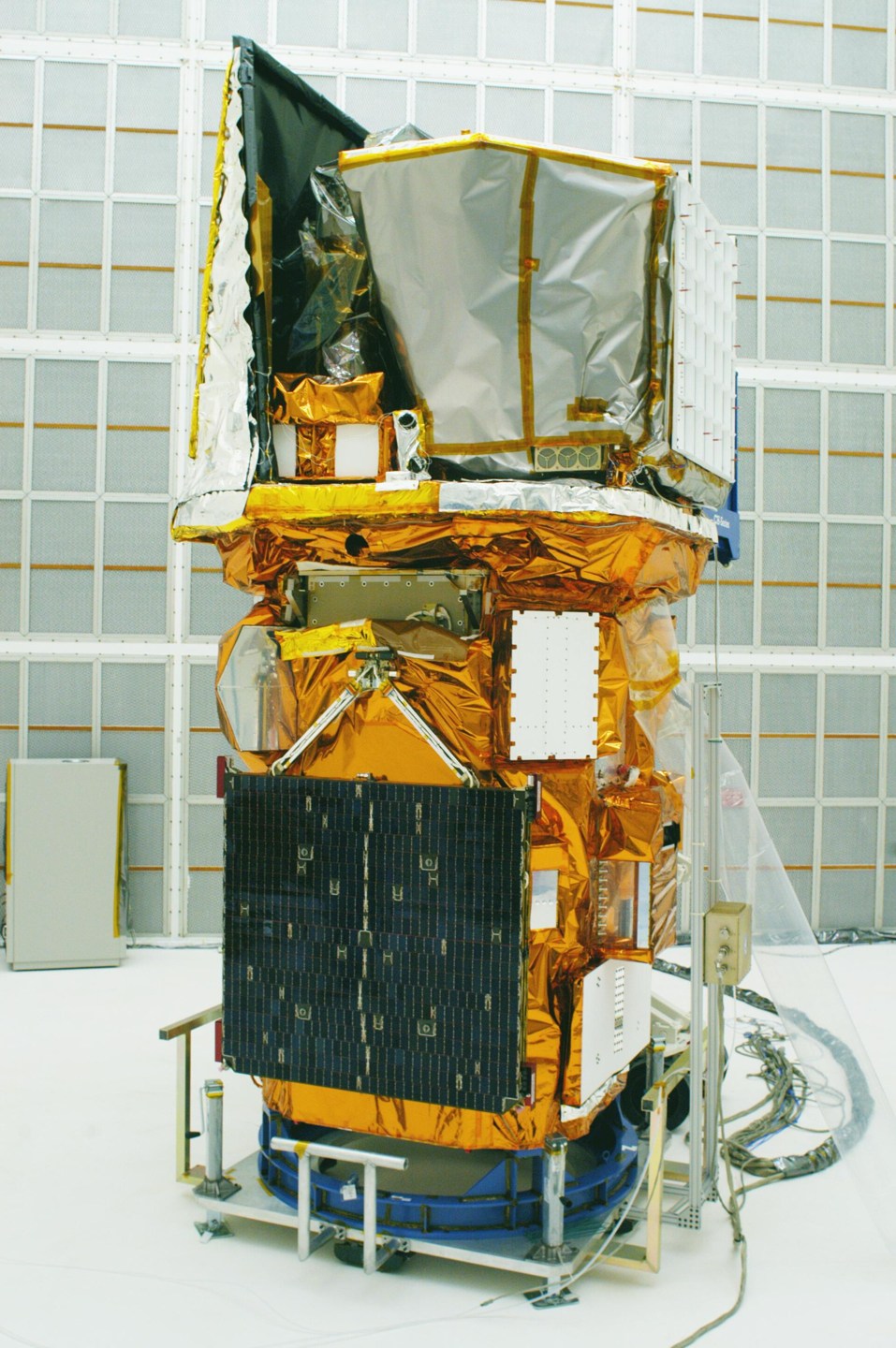
NASA's Neil Gehrels Swift Observatory re-entered Earth's atmosphere on 4 November, almost 22 years after launch. The confirmation closes the final chapter of a mission originally designed to operate for two years.
The US Space Force placed re-entry at 7:39 a.m. US Eastern Standard Time, or 12:39 UTC, over Indonesia's North Sumatra region. NASA updated its earlier prediction with that confirmation on 4 November.
A mission built for sudden events
Swift launched in 2004 to investigate gamma-ray bursts, among the universe's most energetic explosions. Its three telescopes could observe different wavelengths, helping researchers follow rapidly changing events instead of relying on a single view of the sky.
The observatory also sent alerts to other facilities, allowing coordinated follow-up observations. Over time, its scientific reach extended to active galaxies, stellar flares, supernovae and objects within the solar system.
A confirmed ending, not a prediction
Most of the spacecraft was expected to burn up during its passage through the atmosphere, although some components may have survived. That expectation does not amount to a confirmed recovery of debris on the ground.
The important update is that re-entry has happened. Earlier reports describing an uncertain future window are now superseded by the confirmed time and region. The spacecraft's end does not erase the observations it collected: the mission leaves a scientific archive built over more than two decades, far beyond its initial operating plan.