Sofia’s district heating will begin its phased seasonal start on Thursday, 29 October 2026. Schools and kindergartens will be connected first, followed by residential and administrative buildings. The announcement sets the start of the process, rather than a single moment when every radiator in the city will become warm.
The change comes ahead of a colder seven-day forecast, with average daily temperatures expected below seasonal norms. Heating-season dates alone do not trigger an automatic switch-on: the general rules link the start to three consecutive days below an average of 12°C and a forecast of sustained colder weather.
Buildings also need to be technically ready. Repairs to internal heating installations should be completed and drained systems refilled. Toplofikatsia Sofia says it will not connect buildings whose internal installation remains empty.
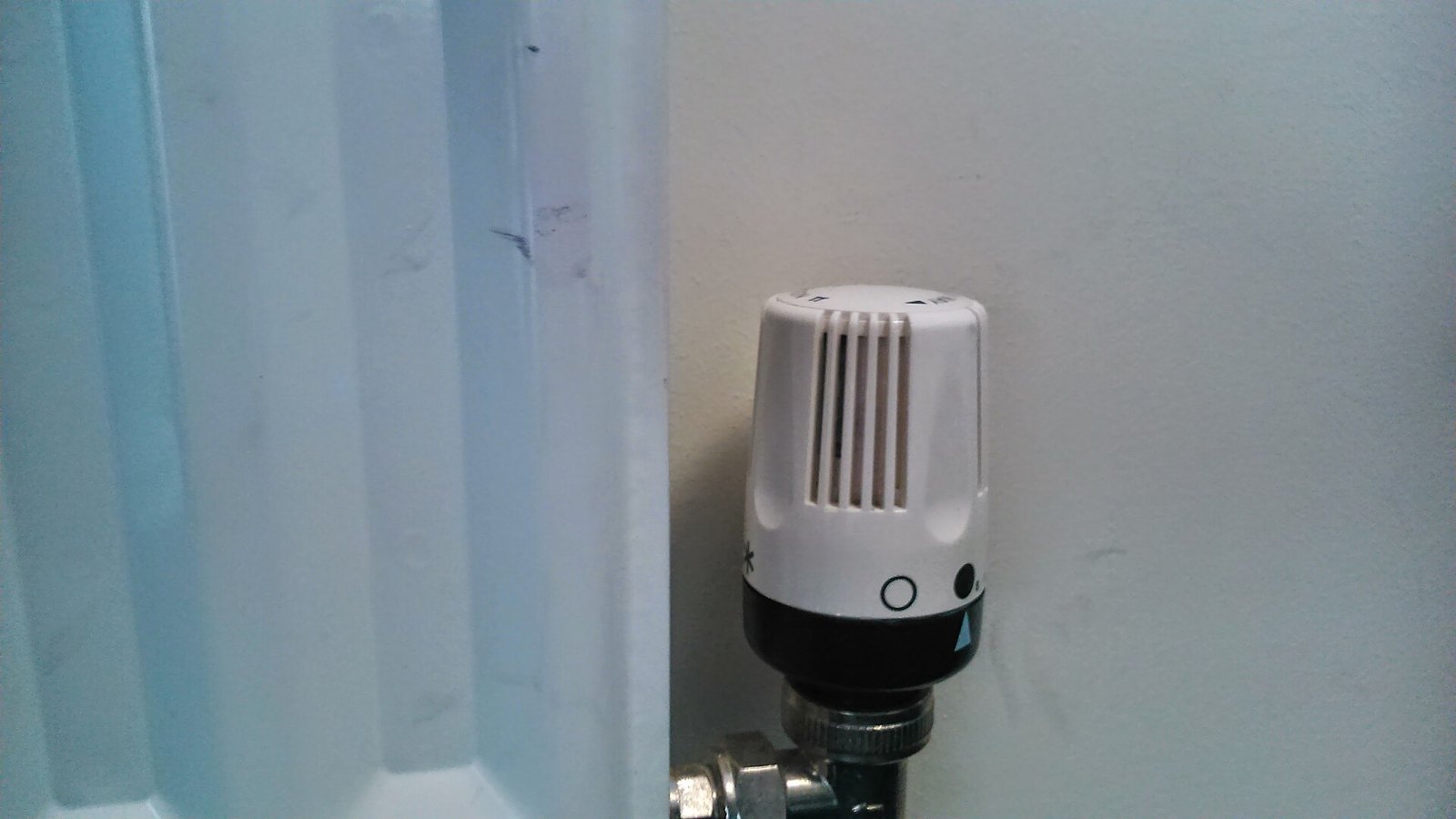
The utility advises residents to open radiator regulating valves fully before the start so that additional bleeding is less likely to be needed. Electronic heat-allocation devices should also be checked. A blank display should be reported to the company responsible for heat accounting, rather than assumed to be normal.
Owners who want a later start must submit an application to a customer centre together with the minutes of the condominium owners’ meeting. The decision therefore involves the building, not simply an individual flat requesting that the whole installation remain off.
The general seasonal announcement should also be distinguished from local faults and repairs. A building affected by a separate outage may follow a different restoration timetable. The utility’s live faults page lists affected addresses and estimated restoration times, which can change as work proceeds.
For households, the practical distinction is between the citywide start date, the readiness of their own building and any address-specific problem. Checking those three points is more useful than treating the first day of the rollout as a guarantee of immediate service everywhere.