A campaign reaches beyond the stage
WHO published an update on 23 October about its blood-donation collaboration with K-pop group ENHYPEN, following a meeting in Seoul the previous day. The campaign encourages young people to become voluntary, unpaid donors and act in their communities. [1]
Pledges are not completed donations
WHO reports more than 9,000 pledges across 177 countries in its Drop Your Drop campaign. Those are commitments to participate, not a verified total of completed donations. The distinction matters when judging a campaign’s practical effect rather than only its online reach. [1]
Why regular participation matters
A one-off burst of attention and a dependable donor base are different achievements. A campaign can introduce people to donation, while repeat participation requires convenient appointments, clear information and trust in the receiving service. The useful follow-up is whether interested people become eligible donors and return when appropriate. Social-media engagement alone does not answer that question.
Eligibility comes before enthusiasm
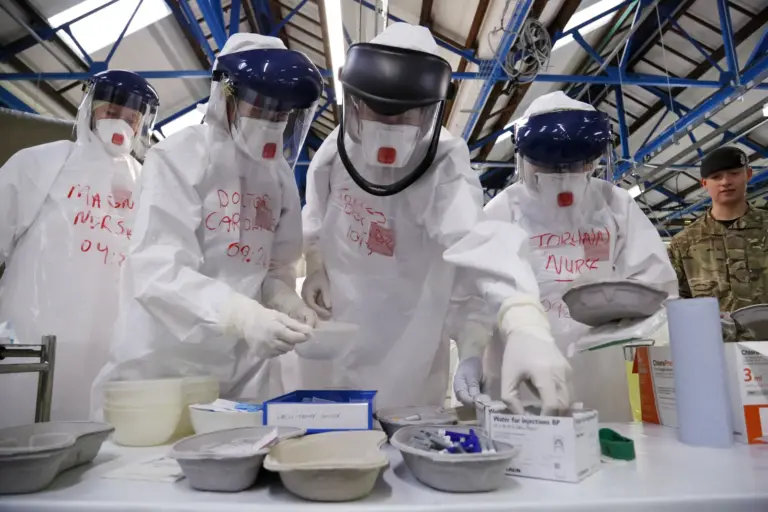
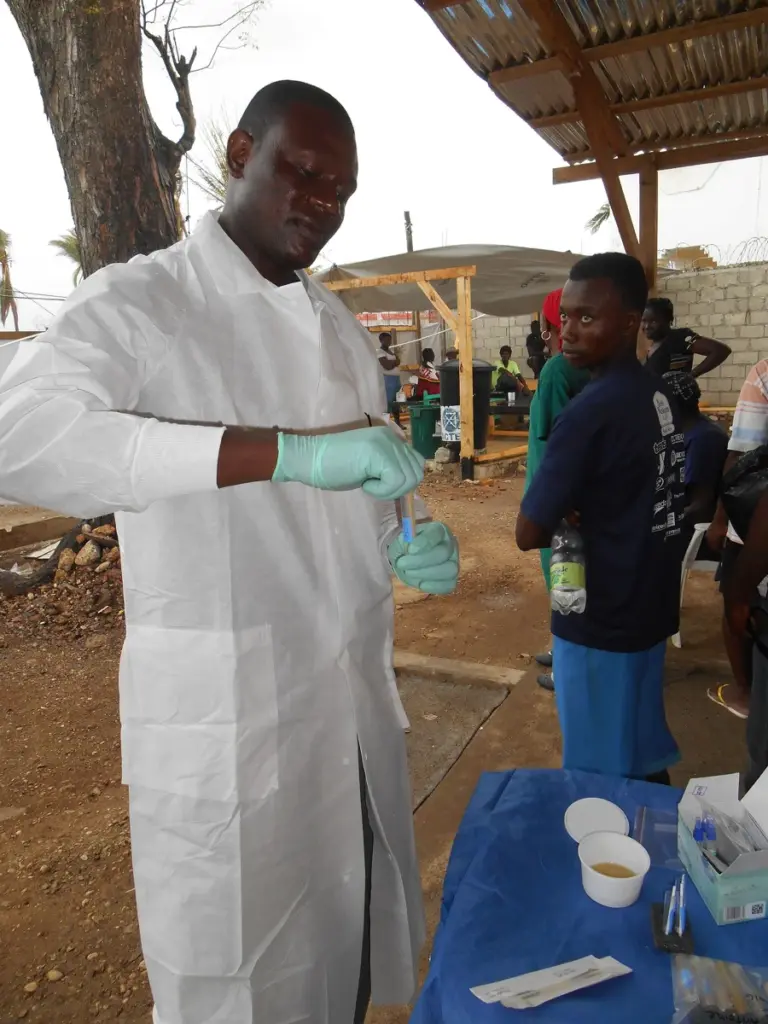
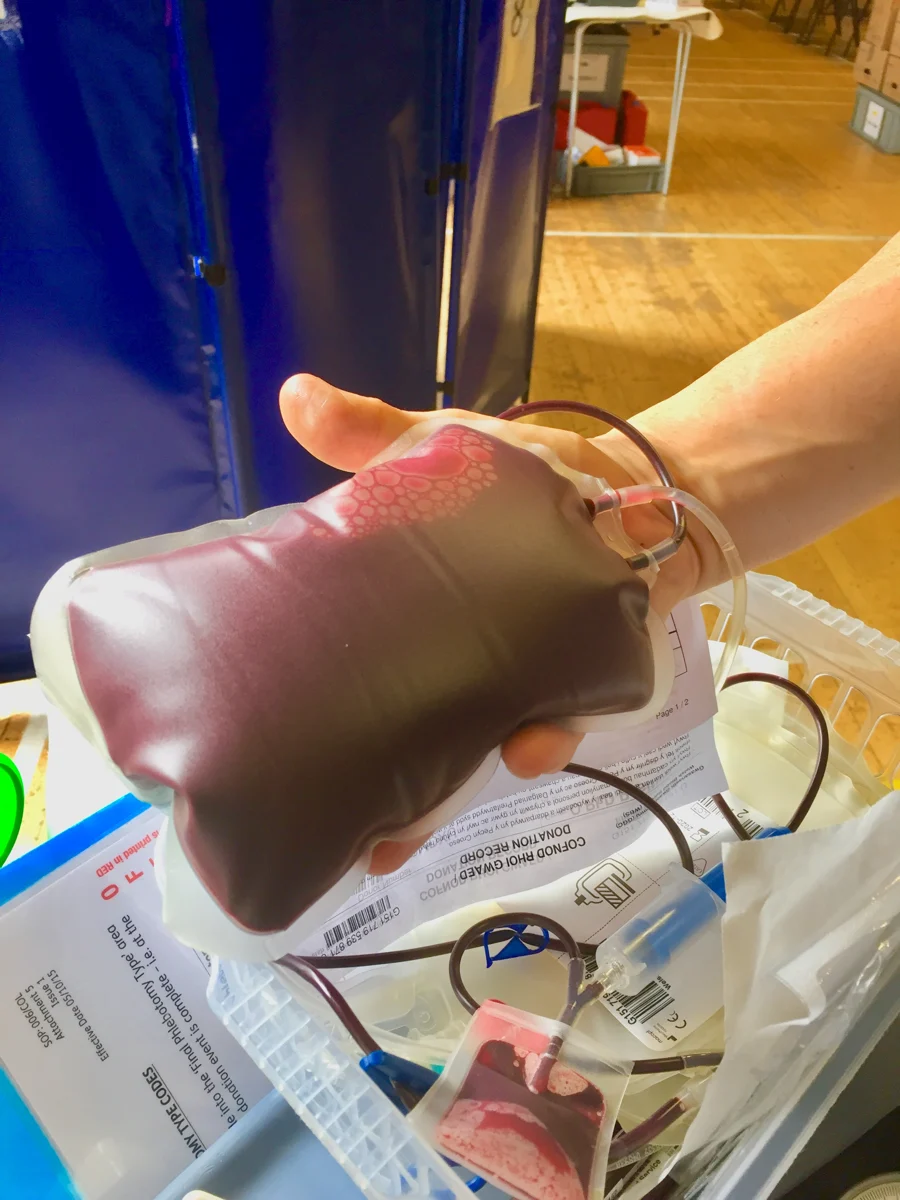
Anyone considering donation should consult their local blood service’s requirements and complete its screening process. A celebrity’s participation does not establish another person’s eligibility, and the article is not individual medical advice. Different donation types and local rules should be explained by the service collecting the blood. This is a report on a public-health campaign, not evidence that shortages have ended. The photograph illustrates blood donation and does not show ENHYPEN, the Seoul meeting or a participant in this campaign.