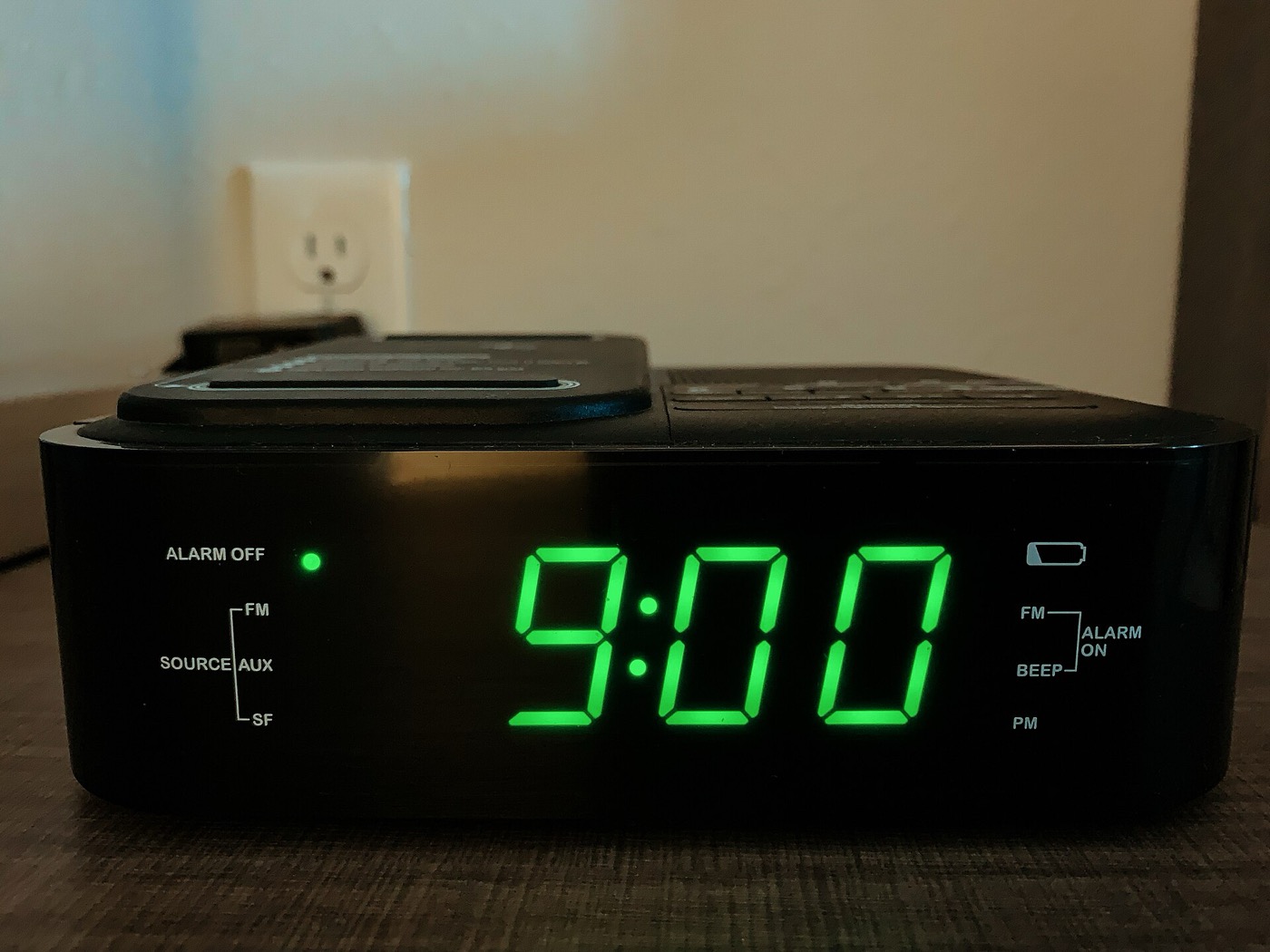
Bulgaria turned its clocks back overnight on 25 October, with 4 a.m. becoming 3 a.m. Calendars and phones can make that adjustment instantly. The body may take longer because sleep and wakefulness also follow an internal biological rhythm.
That rhythm runs on an approximately 24-hour cycle. Its strongest outside signal is the alternation of light and darkness. A screen tells us when the working day begins, while the brain also responds to daylight, established habits and the timing of rest.
After the change, a person may wake earlier than expected or feel sleepy at a different clock time. Sleep medicine specialist Dr Petar Chipev explained that adjustment can take several days to a week, depending on the individual. Established routines and lifestyle also influence that process.
Light also influences the production of melatonin, a hormone associated with sleepiness. Evening light from electronic devices, shift work and travel across time zones can alter the signals that regulate the body clock. The seasonal adjustment comes on top of those everyday influences.
The American Academy of Sleep Medicine supports permanent standard time because it is better aligned with human circadian biology. Its position focuses on the relationship between the natural light cycle and the hours society sets for work and rest.
The extra hour in autumn is therefore only the visible part of the change. Morning waking, the working day and evening tiredness follow afterwards, as the body’s rhythms and the new schedule gradually settle into alignment.