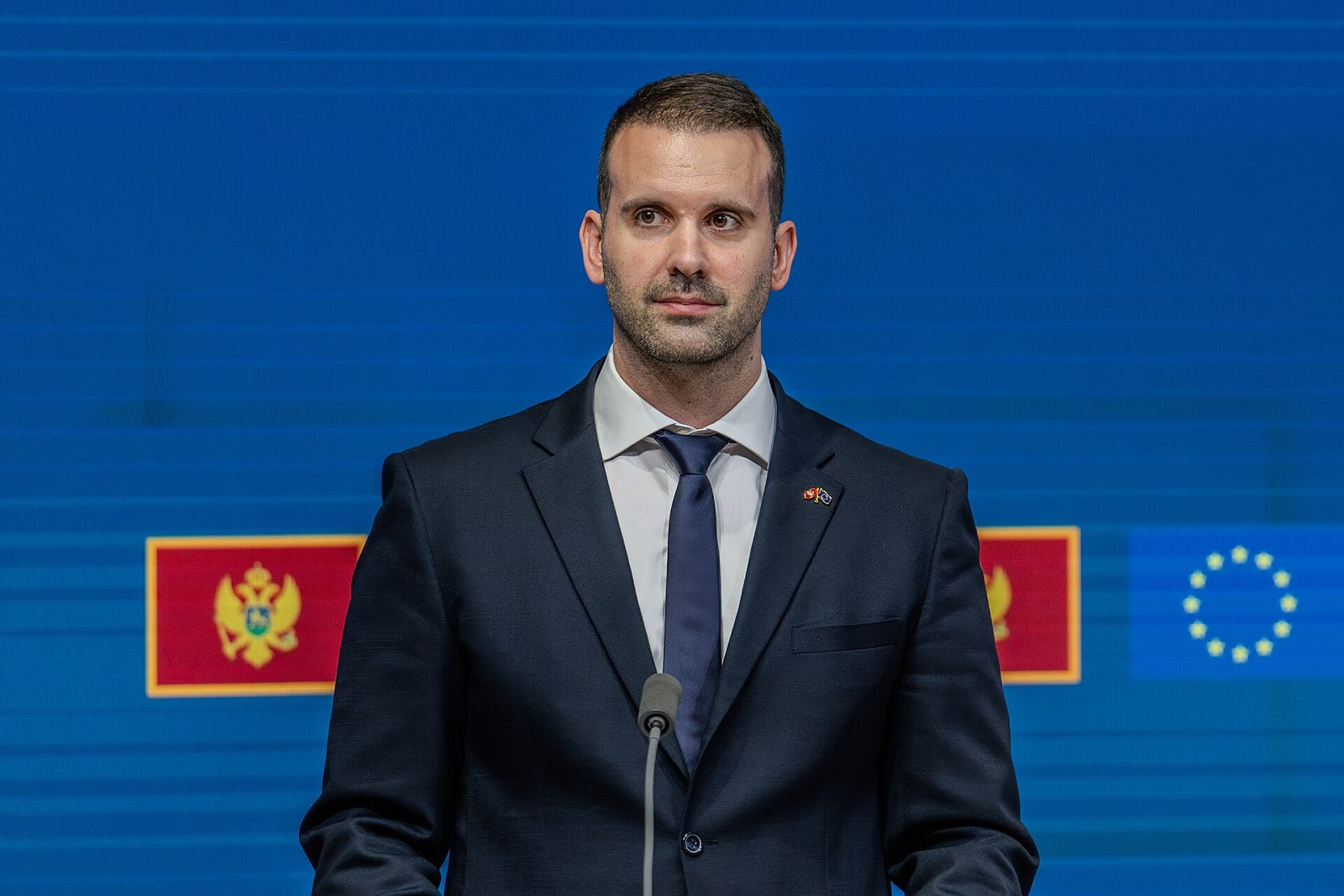
Montenegro has moved closer to the final stage of joining the European Union, with 21 negotiating chapters provisionally closed. The European Commission's enlargement package, adopted on 4 November, says the remaining chapters could be provisionally closed by the end of 2026, subject to agreement by EU member states.
Work on an accession treaty is already under way, alongside the financial arrangements for membership. That places the country at the front of the current enlargement process, but does not amount to an agreed accession date or a guarantee that the remaining steps will be completed on schedule.
Four countries get a clearer route
Brussels also presented indicative roadmaps for Albania, Moldova and Ukraine. The documents set milestones for the year ahead and are intended to make preparations more structured for both the candidates and the EU institutions.
The four countries are advancing at different speeds. Albania is aiming to conclude negotiations in 2027; Moldova's objective is early 2028, and Ukraine's is the end of 2028. These are negotiating ambitions, not confirmed dates for becoming members. The Commission can adjust the roadmaps as progress changes.
Reform still sets the pace
Democracy, the rule of law and fundamental rights remain central to the assessment. For Montenegro, sustained reforms and broad political consensus are still required, even after the substantial number of chapters already closed provisionally.
The package also proposes more structured gradual integration before membership, including in energy, transport, digital services and defence. This could bring candidates closer to EU policies while negotiations continue, rather than requiring every practical benefit to wait until accession.
The next decisions rest with the Council and member states. The Commission has drawn a more detailed route towards enlargement; completing it still requires both domestic reforms and political agreement within the Union.