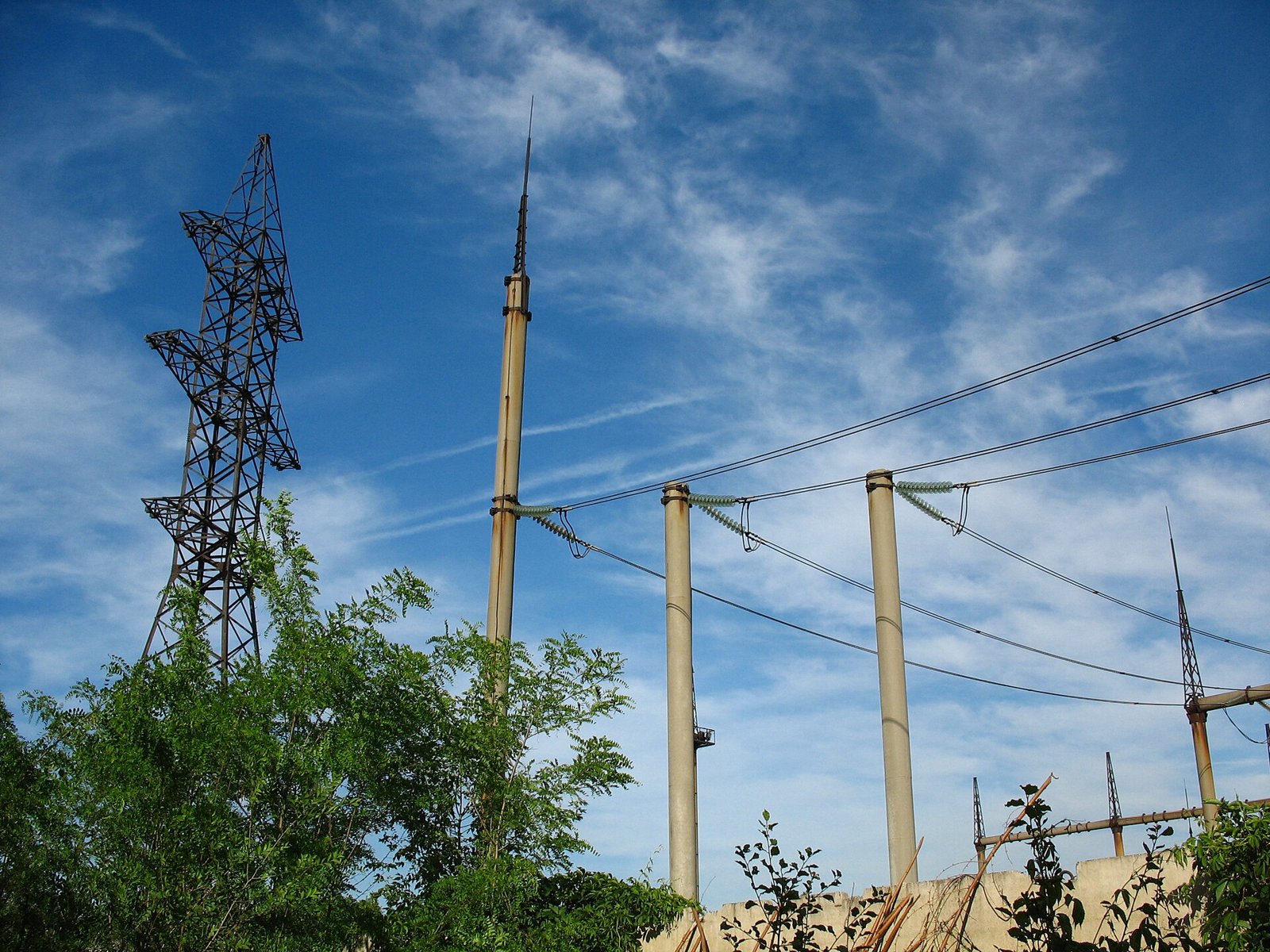
Hundreds of thousands of households in Ukraine were without electricity on 1 November after fresh overnight Russian strikes on energy infrastructure, President Volodymyr Zelenskyy said. He named Dnipropetrovsk, Vinnytsia, Zhytomyr and Khmelnytskyi as regions where facilities had been damaged.
The reported damage includes substations, transformers and transmission lines. The energy ministry also described partial outages in six regions, with the most difficult supply situation in Kyiv and Dnipropetrovsk. The number of regions with outages is not the same measure as the number where the latest damage was reported.
This is a further development after the previous night’s attacks, when around 280,000 households were reported without power. The figures are separate snapshots, not numbers to be added together. Neither provides a fixed count of customers still disconnected after subsequent repairs and switching operations.
The vulnerability of the grid extends beyond the amount of electricity a country can generate. Substations and lines must carry that power to homes, hospitals and businesses. Damage to those connections can interrupt supplies even where generation is available, while repeated strikes complicate restoration.
The latest reports do not give a single nationwide completion time for repairs. The immediate priorities are restoring connections and protecting the network as winter approaches. Claims about the scale of attacks and damage are attributed to Ukrainian authorities; the status of individual areas can change as work proceeds.
Updated on 1 November 2026 with the latest confirmed developments. The original publication date, URL and image are retained.